










Don’t Miss Out: Reliable Pest Control for a Safer, Stress-Free Home
Discovering pests in your home can be frustrating, especially when you are unsure where they came from or whether more are hiding nearby. The best response is to identify the pest, look for signs of ongoing activity, and address conditions that may allow pests to enter or thrive. Understanding these warning signs can help you protect your home and determine when professional assistance may be appropriate.
What Pest Risks Should You Look for at Home?
Pests can affect household comfort, food storage, and property conditions in different ways. Some are mainly a nuisance, while others may contaminate food, cause damage, or create health concerns under certain circumstances.
Recognizing the signs early can help you decide whether basic prevention is sufficient or further investigation is needed.
Signs of Rodents and Insects
Different pests leave different clues. Look for evidence that matches the pest you suspect, rather than assuming every sign indicates the same problem.
Common signs include:
- Droppings: Small droppings in cupboards, along walls, or near stored food may indicate rodent or insect activity, depending on their appearance and location.
- Gnaw marks: Damaged food packaging, chewed materials, or marks around accessible openings may suggest rodent activity.
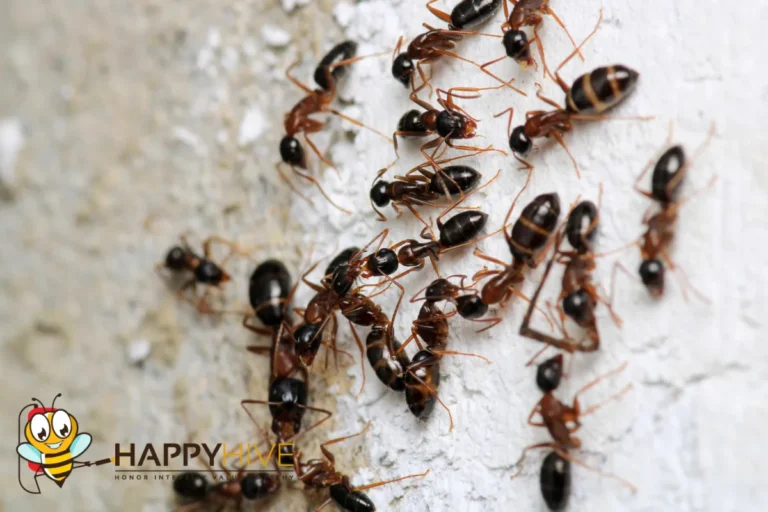
- Insect trails: Repeated lines of ants or clusters of insects around food and moisture may indicate an established source of activity.
- Shed skins or discarded wings: These may warrant further investigation, especially when found alongside other signs.
- Repeated sightings: Seeing the same pest in the same area over several days may indicate that the source has not been addressed.
No single sign necessarily confirms an infestation. If you are uncertain about what you have found, avoid handling the material and seek appropriate identification.
Possible Property Damage
Certain pests can damage building materials, stored belongings, or household supplies. Rodents may gnaw on packaging and other materials, while termites can damage wood and other cellulose-containing materials.
Possible warning signs include damaged wood, mud tubes, unusual openings, or repeated gnawing. However, damage can have multiple causes, and visual evidence alone may not establish which pest is responsible.
If you suspect termite activity or damage inside walls or other inaccessible areas, consider arranging a professional inspection before attempting treatment.
Food, Moisture, and Entry Points
Pests may be attracted to accessible food, water, shelter, or suitable places to nest. Conditions that contribute to pest activity vary by species, so it is important to examine the areas where the problem occurs.
Check for:
- Uncovered food and food residue around counters or appliances.
- Leaking pipes, persistent dampness, or standing water.
- Gaps around doors, windows, pipes, and utility openings.
- Damaged screens or worn door seals.
- Cluttered storage areas that provide sheltered spaces.
Addressing these conditions can help reduce pest activity, but cleaning or sealing gaps may not be enough to resolve an established infestation.
How Can You Tell Whether a Pest Problem Needs Attention?
A single insect sighting does not automatically mean your home has an infestation. A pest may have entered from outside, or the sighting may be an early indication of a larger problem.
Consider the following factors before deciding what to do.
Frequency: Are you seeing the pest repeatedly, or was it an isolated sighting?
Location: Is the activity concentrated near food, moisture, storage areas, or possible entry points?
Additional evidence: Have you found droppings, damaged materials, trails, or other signs that support the sighting?
Type of pest: Some pests require more careful attention because of potential property damage, contamination, or physical safety risks.
Previous attempts: Have reasonable prevention measures helped, or does the activity continue despite your efforts?
For example, an isolated ant near an exterior door may require little more than observation and basic prevention. Repeated trails leading into a kitchen may warrant further investigation. Suspected termites, recurring rodent evidence, or a wasp nest in a hazardous location require a different response.
The goal is to assess the evidence rather than assume every pest sighting requires treatment.
Which Pest Prevention Steps Can You Take Yourself?
Several practical measures can help make your home less attractive to common pests. The appropriate steps depend on the pest, the condition of your property, and where activity occurs.
Keep Food and Waste Secure
Store food in suitable sealed containers, clean spills promptly, and keep rubbish in containers with secure lids. Avoid leaving pet food exposed for extended periods, particularly overnight when it may attract certain pests.
Pay attention to less obvious areas, such as beneath appliances, inside cupboards, and around bins, where food residue may accumulate.
Address Moisture Problems
Some pests are attracted to damp environments or need access to water. Repair leaking pipes where possible, address persistent moisture, and remove standing water when practical.
If dampness continues despite basic maintenance, investigate the underlying cause rather than relying on cleaning alone.
Seal Accessible Entry Points
Inspect door seals, window screens, and gaps around pipes or other utility openings. Repair suitable openings where practical, and seek professional assistance for larger structural gaps or damage.
Sealing entry points can reduce opportunities for pests to enter, although the appropriate exclusion method depends on the pest involved.
Reduce Unnecessary Clutter
Organize storage areas and inspect cardboard boxes, stored belongings, and seldom-used spaces for signs of pest activity. Reducing clutter can make it easier to notice evidence and clean areas that might otherwise remain undisturbed.
These measures support prevention but should not be treated as a substitute for identifying and addressing an established infestation.
What Should You Avoid Doing When Treating Pests?
Trying to resolve a pest problem quickly can lead to unnecessary risks if the pest or appropriate treatment is unclear.
Keep these precautions in mind:
- Do not handle unidentified pests. Some insects and animals can bite, sting, or expose you to contaminants.
- Avoid indiscriminate pesticide use. A product may not be appropriate for every species, surface, or location.
- Never mix pesticide products. Combining chemicals can create hazardous exposure risks.
- Follow label directions. Do not exceed the recommended amount, frequency, or application method.
- Do not disturb hazardous nests. Stinging insects in inaccessible or frequently used areas may require professional removal.
- Do not ignore recurring evidence. Repeated sightings or fresh damage may indicate that the underlying issue remains unresolved.
If you have already applied a pesticide, follow its label instructions for ventilation, exposure precautions, and reentry. If you suspect a hazardous exposure, follow the product’s emergency instructions and contact the appropriate poison control or emergency service when necessary.
When Should You Arrange a Professional Pest Inspection?
Basic prevention may be sufficient for some minor pest concerns, but other situations benefit from professional identification and assessment.
Consider professional help if:
- Pest sightings continue despite reasonable prevention efforts.
- You cannot identify the pest or determine where it is coming from.
- You find repeated rodent evidence or suspect activity in inaccessible areas.
- You notice signs that may indicate termite activity or damage to building materials.
- You discover a wasp or hornet nest in a difficult-to-access or hazardous location.
- The problem appears to affect multiple rooms or areas.
- You are unsure how to address the problem without creating additional safety risks.
For homeowners researching pest control in Mason, Ohio, the most useful starting point is understanding what the inspection and treatment recommendation should accomplish, not simply choosing a provider based on broad promises.
What Happens During a Professional Pest Inspection?
A professional inspection typically begins with the available evidence and the areas where pest activity has been reported. Depending on the pest and property, a technician may:
- Identify the likely pest. Examine visible specimens, photographs, damage, or other evidence to determine what may be present.
- Inspect relevant areas. Check accessible locations where the pest may be active, including possible entry points or areas associated with food and moisture.
- Assess contributing conditions. Identify factors that may be supporting pest activity or allowing pests to enter.
- Explain appropriate options. Recommend suitable treatment, prevention, or monitoring measures based on the findings.
- Discuss precautions and follow-up. Explain relevant safety instructions and whether additional assessment may be necessary.
The inspection’s scope varies by pest and property. Not every source of activity can be identified immediately, and the recommended response should reflect the available evidence.
How Should You Choose a Pest Control Provider?
When comparing providers, look for clear explanations of the problem, the proposed treatment, relevant safety precautions, and any recommended follow-up.
Ask how the provider identifies pests, whether the proposed approach addresses contributing conditions, and what results you can reasonably expect. Verify applicable licensing and credentials rather than relying on unsupported claims.
Homeowners comparing pest control should also look for recommendations that reflect the specific pest and property, rather than a one-size-fits-all approach. If you are looking for an exterminator in Mason, OH, prioritize transparent communication and a clear explanation of the proposed next steps.
Avoid relying on promises of permanent elimination or claims that every treatment is entirely risk-free. Pest activity can change as environmental conditions, access points, and other contributing factors change.
How Can You Maintain a Safer Home After Treatment?
Addressing an immediate pest problem is only part of the process. Monitoring and prevention can help you recognize recurring activity and reduce conditions that may support future pest problems.
Continue monitoring affected areas. Check the locations where pests were previously observed and look for new evidence. Record recurring sightings or changes that may help identify the source.
Maintain sanitation. Store food securely, clean spills, and keep waste areas tidy to reduce access to common attractants.
Address structural gaps and moisture. Repair suitable openings and investigate persistent dampness that may contribute to pest activity.
Follow treatment instructions. If a professional or product label recommends specific precautions or follow-up, follow those instructions carefully.
Reassess recurring activity. If pests return, do not automatically repeat the same treatment. Consider whether the pest was correctly identified, whether new pests are entering, and whether additional investigation is needed.
A prevention plan should reflect the pest and the property’s conditions. Pest control in Mason should focus on practical prevention strategies and targeted treatments, as no single method can guarantee a home will never experience another pest sighting.
Frequently Asked Questions
What are the first signs of a pest problem at home?
Possible signs include repeated sightings, droppings, insect trails, gnaw marks, discarded wings, or damage to materials. The meaning of each sign depends on the pest and its location.
Does seeing one pest mean I have an infestation?
No. A single sighting may involve a pest that entered from outside, but additional evidence or repeated activity may warrant investigation.
Which household conditions can attract pests?
Accessible food, moisture, waste, sheltered spaces, and openings into the home can contribute to activity, depending on the species.
What pest prevention steps can homeowners take safely?
Store food securely, clean spills, address moisture issues, maintain screens and door seals, and monitor areas where pests have appeared. Use pesticides only according to their labels.
When should I call a pest control professional?
Consider professional assistance when activity persists, the pest is difficult to identify, you suspect termites or rodents, or the situation involves a hazardous nest or potential exposure risk.
What happens during a pest inspection?
A technician may identify the pest, examine relevant areas, assess contributing conditions, and recommend appropriate treatment or prevention measures. The exact process depends on the situation.
Conclusion
Protecting your home from pests begins with recognizing relevant warning signs, understanding what may be attracting them, and responding appropriately. Practical prevention can help reduce some pest risks, while recurring activity or suspected damage may require further investigation. Happy Hive Pest Management can help you understand your options and make informed decisions about keeping your home comfortable and addressing pest concerns.
Need Help With a Pest Concern?
If you have noticed recurring pest activity or signs of possible damage, Happy Hive Pest Management can help you explore the next steps. Contact us today to learn more about professional pest management options.
LEARN MORE HERE:
Don’t Panic! How to Handle Unexpected Pest Sightings
Your Seasonal Pest Control Checklist: Stay Ahead of Infestations Year-Round