












Happy Hive Pest Management
Spiders
Are you spotting intricate webs in your corners or feeling uneasy about uninvited eight-legged guests? While most spiders are harmless, an influx of them can make your home feel less like a sanctuary and more like a habitat. At Happy Hive Pest Management, we specialize in managing spider populations and addressing the underlying insect issues that attract them. Our licensed technicians use precision treatment techniques to identify and manage infestations, ensuring your home remains a comfortable, web-free environment.
What Are Spiders?
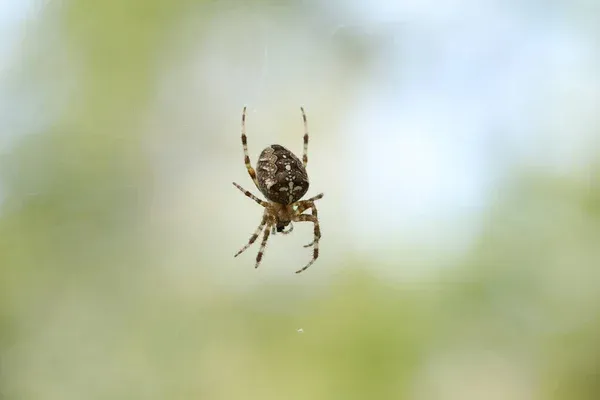
Spiders (Araneae) are air-breathing arthropods characterized by eight legs and chelicerae with fangs that can typically inject venom. Unlike insects, they do not have antennae and possess two body segments rather than three.
Spiders are opportunistic hunters. They are drawn to homes that provide a steady food source, namely, other small insects like flies, moths, and ants. While many spiders are beneficial for natural pest control outdoors, having them inside in large numbers often indicates a secondary pest problem that needs professional attention.
Signs of Spider Activity in Your Home
These insects are masters of camouflage, but they leave behind distinct clues. Identifying these early can help prevent a handful of spiders from becoming a significant presence:
Common Symptoms of Spider Infestation
Visible Webs
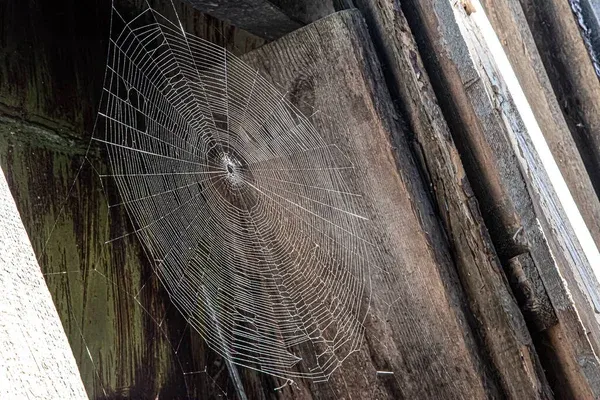
The most obvious sign. Depending on the species, you may see neat orb webs, messy “cobwebs,” or funnel-shaped silk structures in low-traffic areas.
Egg Sacs
Small, silken balls attached to surfaces or hidden in webs. A single sac can contain hundreds of spiderlings.
Frequent Sightings
Spotting spiders regularly on walls, ceilings, or scuttling across floors, especially at night when many species are active.
Presence of Other Insects
Since spiders go where the food is, seeing a lot of flies or gnats usually means spiders aren’t far behind.
How Spiders Enter and Inhabit Your Home
Spiders are remarkably resourceful. They can enter through the smallest gaps around windows and doors, or hitch a ride on firewood, storage boxes, and outdoor plants. Once inside, they gravitate toward quiet, undisturbed areas.
Common Hiding Spots
Our professional treatments focus on these preferred spider environments to ensure comprehensive control:
- High-Traffic Corners: Ceilings and upper corners where flying insects are easily caught.
- Moist Dark Areas: Basements, crawl spaces, and under sinks are favorites for species that prefer humidity.
- Storage Areas: Cardboard boxes, cluttered closets, and garages provide the perfect structural support for webs.
- Exterior Perimeters: Eaves, shutters, and porch lights (which attract their prey) are primary staging grounds.
How to Get Rid of Spiders
Effective spider control is about more than just clearing webs; it requires removing the spiders’ food source and sealing their entry points. Happy Hive Pest Management uses a structured, integrated approach to manage spider populations effectively.
Treat Your Home
Web Removal: We physically remove active webs and egg sacs to immediately reduce the population.
Targeted Barrier Treatments: We apply specialized treatments to cracks, crevices, and baseboards to discourage spiders from nesting.
Secondary Pest Control: By managing the insects that spiders eat, we naturally make your home less attractive to them.
Maintain Your Property
De-clutter: Reduce hiding spots by organizing garages and basements. Use plastic bins instead of cardboard boxes.
Sanitation: Regularly dust and vacuum high corners and behind furniture to disrupt potential nesting sites.
Lighting Management:: Swap standard outdoor bulbs for yellow "bug lights" to reduce the number of insects drawn to your home at night.
Preventing Spiders
Proactive measures are the most effective way to keep your home spider-free long-term:
- Seal the Exterior: Use caulk to seal gaps around windows and door frames. Install door sweeps on all entry doors.
- Screen Maintenance: Ensure window and door screens are free of holes or tears.
- Landscape Management: Keep shrubs and trees trimmed away from the house. Remove piles of wood or debris from the immediate perimeter of your foundation.
When to Call the Professionals
While most spiders are just a nuisance, species like the Black Widow or Brown Recluse can pose health risks. If you are dealing with a persistent spider problem or if you suspect the presence of venomous species, professional intervention is essential. Happy Hive Pest Management provides customized solutions tailored to your specific environment. Contact us today to learn more about us and our services. Schedule an inspection and reclaim your home from unwanted arachnids.

Testimonials
What Our Clients Say About Us
Service Area
We Got Your Area Served!
Greater Cincinnati
- Cleves
- Harrison
- Mt. Orab
- Georgetown
- Williamsburg
- Bethel
- Milford
Frequently Asked Questions
Do you offer spider control services in my area?
Yes, Happy Hive Pest Management provides professional spider control services tailored to local conditions. Our team understands the common spider species and environmental factors in your area, allowing us to deliver targeted and effective treatments.
What types of spiders are commonly found in homes locally?
In this region, homeowners often encounter common house spiders, orb-weavers, and occasionally more concerning species like black widows. Our technicians are trained to identify and manage all local spider species safely and effectively.
How often should I schedule spider control treatments for my home?
For long-term protection, we recommend regular maintenance treatments, typically on a quarterly basis. However, the ideal frequency may vary depending on your property’s conditions and the severity of spider activity.
Are spiders dangerous to humans?
Most spiders are harmless and pose little risk to humans. However, certain species like black widows or brown recluses can deliver venomous bites. If you’re unsure about the spiders in your home, it’s best to consult a professional.
Why do I keep seeing spiders even after cleaning my home?
Spiders are usually attracted by the presence of other insects. Even if your home appears clean, small pest populations can still provide a food source. Effective spider control involves addressing both the spiders and the insects they feed on.