












Happy Hive Pest Management
Occasional Invaders
Are you noticing unfamiliar insects suddenly appearing in large numbers inside your home, clustering near windows, or hiding in dark corners? Occasional invaders are opportunistic pests that infiltrate homes and businesses when outdoor conditions become unfavorable, whether due to heat, cold, moisture, or drought. At Happy Hive Pest Management, we specialize in managing these seasonal intruders. Our licensed technicians use advanced treatment techniques to identify entry points, treat active populations, and prevent these pests from establishing themselves inside your walls, restoring the comfort and cleanliness of your home.
What Are Occasional Invaders?
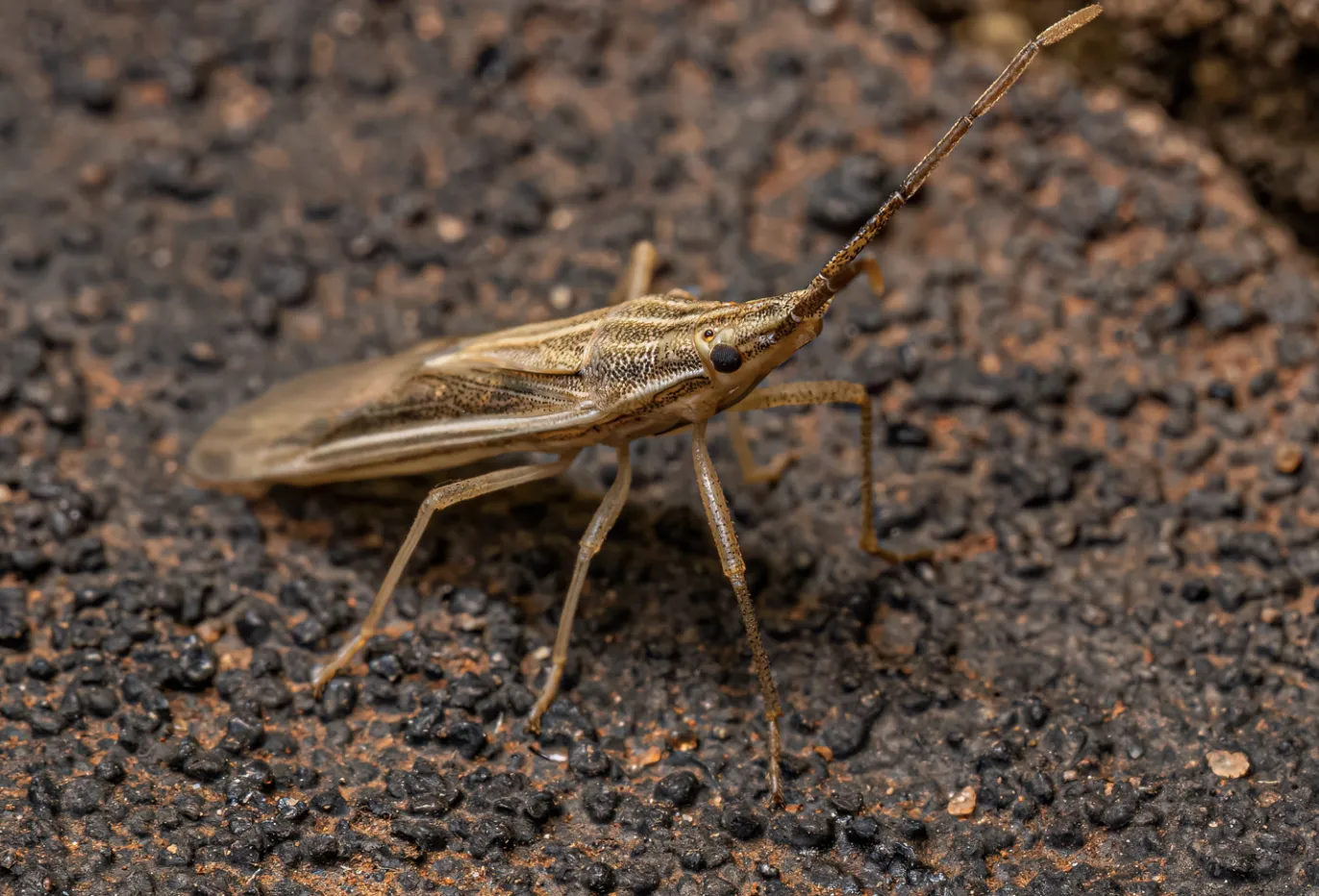
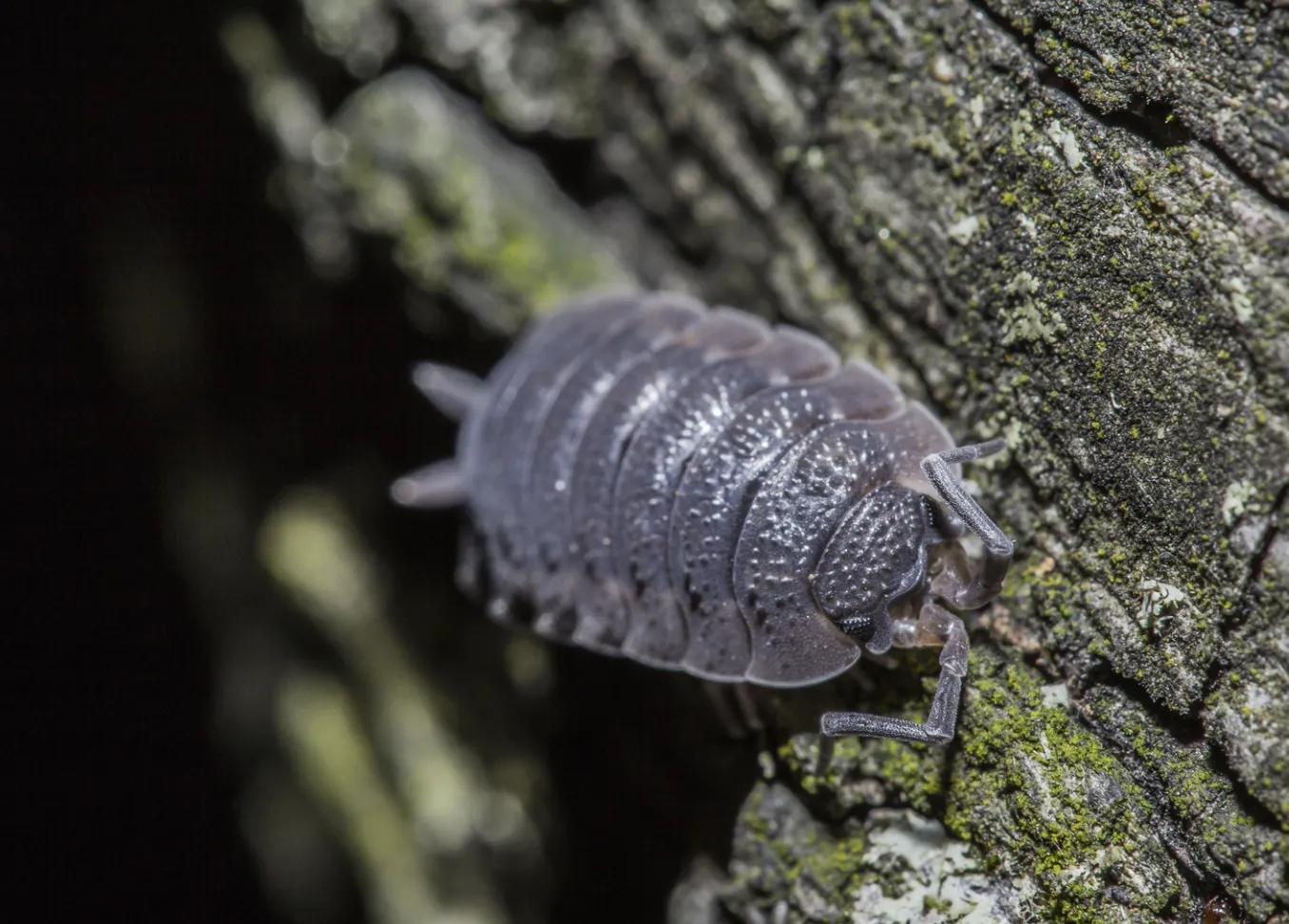
Occasional invaders are a group of insects and arthropods that do not typically live or breed indoors but enter structures under certain environmental conditions. Common examples include centipedes, millipedes, earwigs, sowbugs, pillbugs, springtails, crickets, and stink bugs. Each species has its own preferred habitat outdoors, typically moist soil, leaf litter, mulch, or vegetation, but all share the tendency to seek shelter inside homes when their environment becomes too wet, too dry, too hot, or too cold.
While most occasional invaders do not bite, sting, or cause structural damage, their sudden appearance in large numbers is alarming and unsanitary. Some species can damage houseplants, contaminate food storage areas, or emit foul odors when crushed or threatened. Because they are driven indoors by external conditions rather than a desire to breed inside, infestations can seem to appear overnight and disappear just as quickly, making them tricky to manage without professional guidance.
Signs of Occasional Invader Activity in Your Home
Early detection is key to preventing a full-scale indoor incursion during seasonal transitions. Watch for these specific indicators:
Common Symptoms of an Occasional Invader Infestation
Sudden Appearances
Clusters of unfamiliar insects appearing near doors, windows, baseboards, or in basements and bathrooms following rain, drought, or a change in season.
Shed Exoskeletons or Casings
Some species, such as crickets and centipedes, leave behind molted skins as they grow, which may be found in undisturbed corners or storage areas.
Unpleasant Odors
Certain invaders, such as stink bugs and millipedes, release defensive chemicals when disturbed or crushed, leaving a lingering, pungent odor
Plant or Fabric Damage
Earwigs and crickets can feed on houseplants, paper goods, or natural fabrics, leaving behind irregular chewing damage.
How Occasional Invaders Spread and Infest Your Home
Occasional invaders are primarily driven indoors by environmental stress. Heavy rains saturate the soil and displace ground-dwelling species like millipedes and sowbugs. Prolonged drought pushes moisture-seeking pests like earwigs and springtails toward the humidity of your home’s interior. As temperatures drop in fall, crickets and stink bugs seek warmth behind walls and beneath flooring. Because many of these species are attracted to light and moisture, they commonly enter through gaps around doors and windows, torn screens, utility penetrations, and foundation cracks. Once a suitable entry point is found, others of the same species often follow.
How to Get Rid of Occasional Invaders
Effective control goes beyond simply sweeping up the pests you can see. While removing visible individuals helps, DIY methods rarely address the root cause, exterior populations, and compromised entry points. Happy Hive Pest Management uses a strategic, species-informed approach to eliminate active populations and protect your home against future incursions.
Treat Your Home
Exterior Perimeter Treatment: We apply professional-grade barrier treatments around the foundation, focusing on high-activity zones such as mulched beds, ground-level entry points, and moisture-prone areas.
Targeted Crack and Crevice Treatment: We treat gaps around window frames, door thresholds, pipe penetrations, and utility entries to intercept pests before they get inside.
Interior Spot Treatmnt: For active indoor populations, we apply targeted treatments to baseboards, crawlspaces, and other harborage areas where invaders tend to shelter.nesting.
Maintain Your Property
Moisture Control: Address leaky pipes, poor drainage, and excess humidity in basements and crawlspaces, as moisture is the primary attractant for most occasional invaders.
Debris Removal: Clear mulch, leaf piles, firewood, and stones away from the foundation, as these provide ideal harborage for ground-dwelling species.
Landscaping Adjustments: Trim vegetation and ground cover away from the exterior walls to reduce pest harborage directly adjacent to your home.
Preventing Occasional Invaders
Prevention is far more effective than reactive treatment, as it addresses the conditions that attract these pests in the first place.
- Seal Entry Points: Use high-quality silicone or acrylic-latex caulk to seal cracks in the foundation and siding, and around all utility penetrations.
- Screen Repair: Ensure all window and door screens are intact, properly fitted, and free of tears or gaps.
- Install Door Sweeps: Fit all exterior doors with tight-sealing sweeps and ensure weather stripping is in good condition along the full length of each door frame.
- Vent Covers: Install fine mesh screening over crawlspace vents, attic openings, and soffit vents to block entry without restricting airflow.
- Reduce Outdoor Lighting: Many occasional invaders are attracted to light. Switching to yellow or sodium-vapor bulbs near exterior entrances can significantly reduce attraction.
When to Call the Professionals
Occasional invaders are persistent, and their numbers can quickly become overwhelming when environmental conditions drive large populations indoors at once. If you are finding unfamiliar insects throughout multiple rooms, noticing them emerging from walls or flooring, or dealing with recurring invasions season after season, professional intervention is the most reliable solution. Happy Hive Pest Management provides customized seasonal treatment plans to keep your home pest-free year-round. Contact us today to learn more about us and our services. Schedule an inspection and take back control of your living space.

Testimonials
What Our Clients Say About Us
Service Area
We Got Your Area Served!
Greater Cincinnati
- Cleves
- Harrison
- Mt. Orab
- Georgetown
- Williamsburg
- Bethel
- Milford
Frequently Asked Questions
Do you provide occasional invader treatments in my area?
Yes, Happy Hive Pest Management offers specialized control services for occasional invaders tailored to local seasonal patterns. Our treatments are designed to address the specific species active in your area during each season and prevent them from entering your home.
When is the occasional invader season in this area?
Occasional invaders can be problematic at any time of year, depending on the species. Ground-dwelling pests like millipedes and sowbugs surge indoors after heavy spring rains, while crickets and stink bugs typically move inside in late summer and fall as temperatures begin to drop.
Can you treat my home before occasional invaders get inside?
For long-term protection, we recommend regular maintenance treatments, typically on a quarterly basis. However, the ideal frequency may vary depending on your property’s conditions and the severity of spider activity.
Do occasional invaders cause damage to homes?
Most occasional invaders do not cause structural damage. However, certain species, such as earwigs and crickets, can damage houseplants and fabrics, while others may stain surfaces or emit odors when crushed. Their presence in large numbers is also an indication of moisture or entry point issues that should be addressed.
What is the best way to remove occasional invaders indoors?
The safest method is to use a vacuum with a HEPA filter to collect visible individuals without crushing them. For species like stink bugs, this prevents the release of foul-smelling defensive chemicals. Always dispose of the vacuum bag or empty the canister immediately after use outdoors.