










DIY vs. Professional Pest Control: What Actually Works
When pests appear in your home, it is natural to wonder whether you can handle the problem yourself or whether professional help is necessary. The right choice depends on the pest, how widespread the activity is, whether you can identify the source, and whether your efforts are actually working.
For a small, clearly identified problem, prevention and appropriate DIY measures may be reasonable. Persistent, recurring, widespread, or difficult-to-identify pest activity may require a professional inspection to determine what is happening and what solution makes sense.
When Does DIY Pest Control Make Sense?
DIY pest control can be appropriate when the problem is relatively minor, the pest has been correctly identified, and the steps required are straightforward.
For example, a homeowner may be able to address occasional pest activity by:
- Removing food and water sources
- Sealing obvious entry points
- Improving sanitation
- Reducing clutter and harborage areas
- Correcting moisture problems
- Following the label directions for an appropriate over-the-counter product
The important factor is understanding what you are actually trying to solve.
A few ants appearing near a food source may have a very different cause and solution from recurring ants throughout multiple rooms. Similarly, finding an occasional outdoor insect does not necessarily mean an indoor infestation is established.
What Should You Check Before Trying DIY Pest Control?
Before taking action, consider:
- What pest are you dealing with?
- Where are you seeing it?
- How frequently are you seeing it?
- Is the activity limited to one area?
- Are there signs of nesting or breeding?
- Can you identify a likely entry point?
- Have you already tried prevention measures?
- Is there a potential safety concern?
Correct identification matters because treating the wrong pest can waste time and may allow the actual problem to continue.
What Can DIY Pest Control Reasonably Handle?
DIY methods are generally most useful when they address a simple, clearly understood problem.
Minor, Isolated Activity
A small number of pests in a limited area may sometimes be managed by eliminating food, water, shelter, or access.
Prevention
Many effective pest-control steps are not about killing pests at all.
They include:
- Repairing gaps around doors and windows
- Sealing cracks where appropriate
- Fixing leaks
- Keeping food in sealed containers
- Removing standing water
- Cleaning areas where food debris accumulates
- Maintaining vegetation away from structures where appropriate
Early Detection
If you notice occasional pest activity, addressing contributing conditions early may help prevent a larger problem.
However, prevention should not be confused with treatment. If pests continue appearing despite reasonable corrective measures, the underlying issue may require further investigation.
What Are the Limitations of DIY Pest Control?
DIY treatment can become less effective when the visible pests are only part of a larger problem.
A homeowner may remove the insects or rodents they can see while leaving behind:
- Nesting areas
- Entry points
- Food or moisture sources
- Harborage areas
- Hidden activity
- Reproductive sites
This is one reason simply seeing fewer pests immediately after treatment does not always mean the problem has been resolved.
The effectiveness of DIY treatment also depends on correct pest identification, appropriate product selection, proper application, and following all label directions.
When Should You Call a Professional?
Professional pest control in Lebanon becomes more appropriate when the problem is persistent, widespread, recurring, difficult to identify, or located somewhere that is difficult to access safely.
Consider professional help when:
- Pest activity continues after reasonable DIY efforts
- You repeatedly see pests in different areas of the home
- You find evidence of nesting or breeding
- The source of the problem is unclear
- Pests are entering from inaccessible areas
- You suspect structural damage
- The infestation keeps returning
- You are dealing with a pest that is difficult to identify
- You are uncomfortable handling the problem yourself
The goal of professional service should not simply be to apply a treatment. A useful professional assessment should help determine what is causing the activity and what steps are appropriate for the situation.
How Does a Professional Pest Inspection Work?
A professional inspection generally begins with understanding what the homeowner has observed.
A technician may consider:
- Where pests have been seen
- Signs of activity
- Potential entry points
- Moisture conditions
- Food sources
- Structural gaps
- Harborage areas
- Areas where pests may be hidden
The inspection process varies depending on the pest and property.
For some problems, the visible activity may provide enough information to recommend the next step. Other situations may require a more detailed inspection because the source is not immediately obvious.
A professional should explain what was found and what the recommended next steps are rather than making assumptions about the problem.
What Factors Determine the Right Treatment?
There is no single pest-control method that works for every situation.
The appropriate approach can depend on:
Pest Type
Ants, termites, rodents, bed bugs, cockroaches, stinging insects, and other pests behave differently and require different management approaches.
Infestation Size
A limited problem may be easier to address than activity that has spread throughout a structure.
Location of Activity
Pests inside walls, attics, crawl spaces, foundations, or other inaccessible areas may require a different approach than pests found in open areas.
Source of the Problem
If food, water, moisture, shelter, or structural access is contributing to the infestation, those conditions may need to be addressed alongside treatment.
Recurrence
Repeated activity can indicate that the underlying conditions have not been corrected or that the pest population has not been fully addressed.
DIY vs. Professional Pest Control: How Do the Options Compare?
| Factor | DIY Approach | Professional Approach |
|---|---|---|
| Initial cost | Usually lower | Usually higher |
| Convenience | Immediate action is possible | Requires scheduling |
| Pest identification | Homeowner determines the pest | Technician can assess the problem |
| Treatment options | Generally limited to available consumer products and prevention | Options depend on the pest, property, and applicable regulations |
| Inspection | Limited to areas the homeowner can access | Can involve a more systematic property assessment |
| Recurring problems | May require repeated attempts | Can include assessment of contributing conditions and follow-up |
| Complexity | Best suited to simpler situations | Better suited to complex or persistent problems |
| Follow-up | Homeowner manages the process | May include scheduled follow-up depending on the service |
Neither option is automatically right for every pest problem.
The better choice depends on the circumstances and whether the approach can address the actual source of the activity.
How Can You Tell If DIY Pest Control Is Not Working?
One of the most important decisions is knowing when to stop repeating the same approach.
Warning signs include:
Pest Activity Keeps Returning
If pests disappear briefly and then return, the underlying source may still be present.
Activity Spreads
Seeing pests in multiple rooms or previously unaffected areas can indicate that the problem is becoming more established.
You Cannot Identify the Source
If you can see the pests but cannot determine where they are coming from, treating visible activity alone may not solve the problem.
New Signs Continue Appearing
Droppings, damage, nests, shed skins, or other evidence of ongoing activity can indicate that pests remain present even when you see fewer live insects or rodents.
DIY Treatments Produce No Meaningful Improvement
If reasonable prevention and appropriate DIY measures do not reduce the problem, continuing to repeat the same method may not be productive.
Can DIY Pest Control Make a Problem Worse?
It can, depending on the pest, treatment approach, and circumstances.
Applying an inappropriate product, using it incorrectly, or treating without identifying the pest can create additional problems.
For that reason, always follow the product label and applicable safety instructions.
Some pest problems also require understanding where the pests are coming from rather than simply treating where they are visible.
For example, repeatedly addressing insects that appear near a particular area without investigating potential entry points or contributing conditions may provide only temporary improvement.
Which Pest Problems Can Be More Difficult to Handle Yourself?
Some pest situations are more complicated because the pests can remain hidden, reproduce quickly, or occupy inaccessible areas.
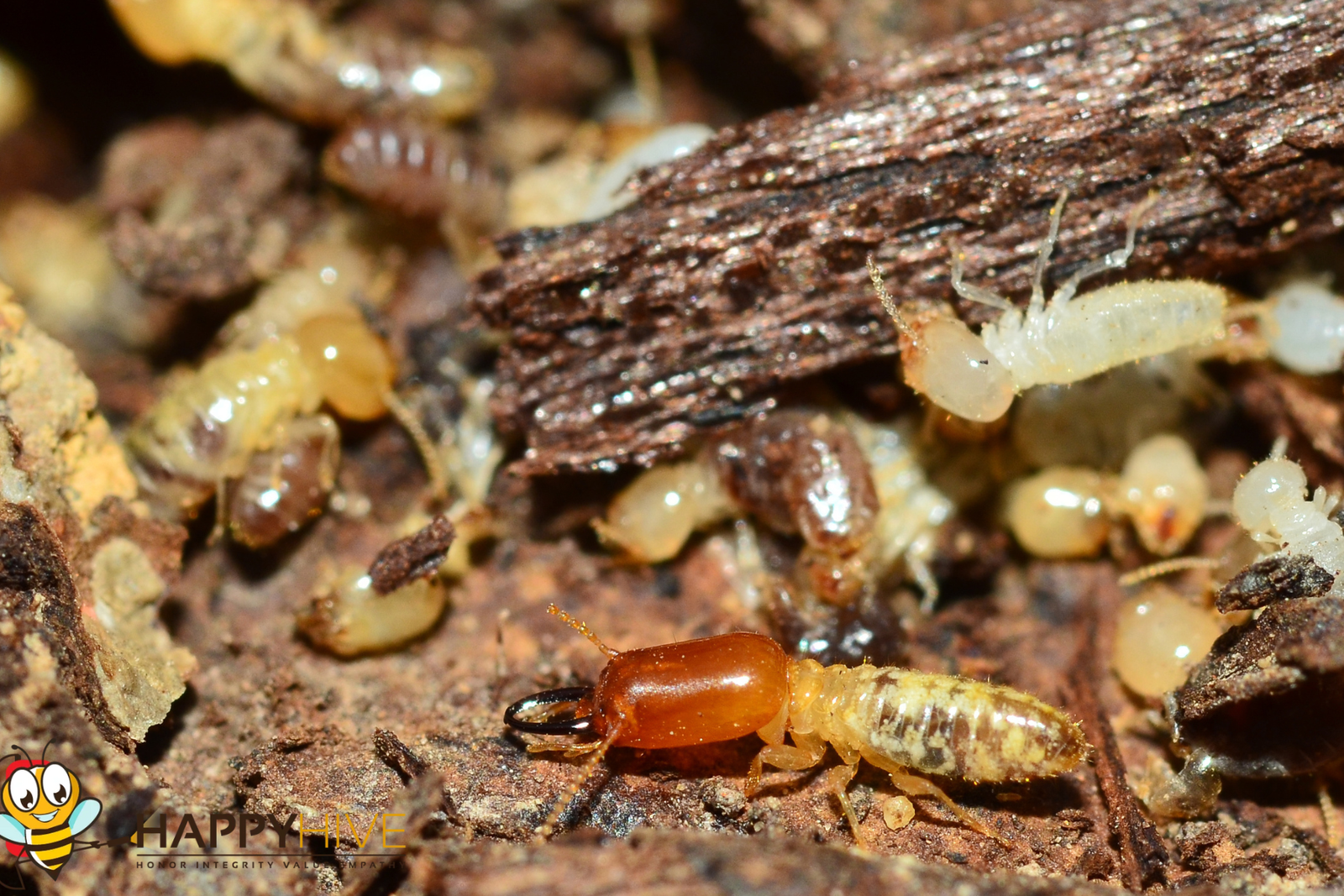
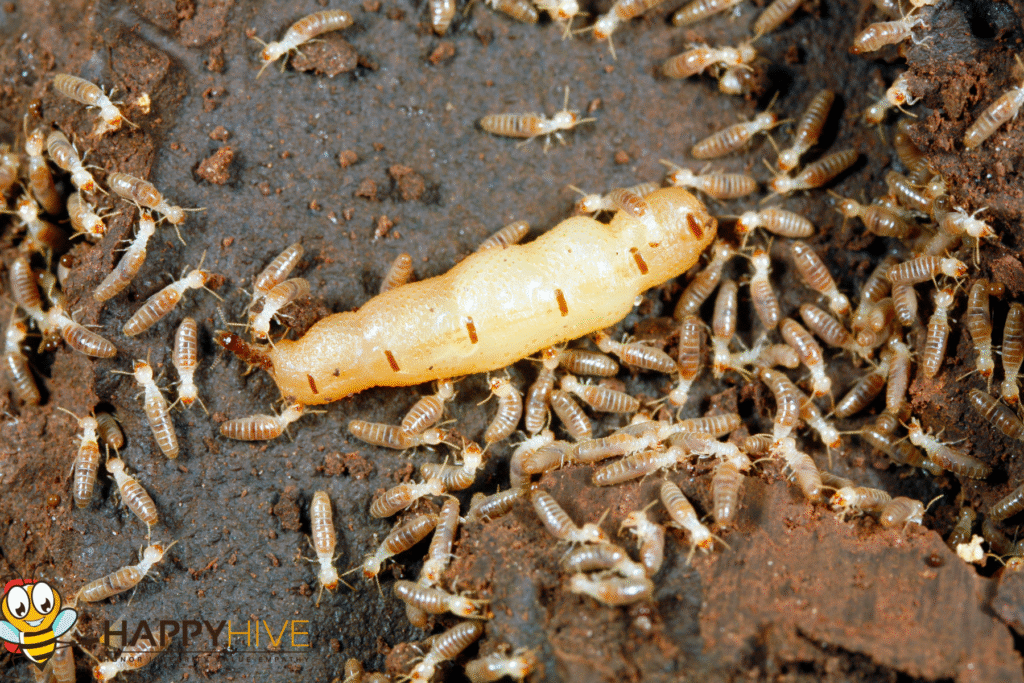
Termites
Termite activity can involve areas that are not immediately visible. Suspected termite activity or signs of structural damage warrant professional assessment.
Bed Bugs
Bed bugs can hide in cracks, furniture, and other areas and may be difficult to locate comprehensively.
Rodents
Rodents can enter through relatively small openings and may establish nests in areas that are difficult to access.
Stinging Insects
Locating or disturbing an active nest can create safety concerns, particularly when the nest is near an entrance, occupied area, or elevated location.
These examples do not mean professional treatment is automatically required every time one of these pests is seen. They illustrate why pest type, location, severity, and risk should be considered before deciding how to respond.
What Should You Consider Before Hiring a Pest Control Company?
If professional help appears appropriate, compare companies based on more than price alone.
Consider whether the company:
- Clearly explains the service
- Identifies the pest or describes how it will be assessed
- Explains what the treatment involves
- Discusses preparation requirements
- Provides information about follow-up
- Communicates clearly about pricing
- Has appropriate licensing or credentials where required
- Has legitimate customer reviews
- Answers questions about safety and treatment expectations
A professional service should give you a reasonable understanding of what will happen rather than simply promising that the pest problem will disappear.
When Is Professional Pest Control Especially Important?
Certain situations deserve more caution.
Professional assessment may be particularly appropriate when:
- The pest cannot be identified
- The infestation appears widespread
- Activity continues despite prevention efforts
- There are signs of property damage
- Pests are inside inaccessible structural areas
- The problem involves a potentially hazardous pest
- Multiple treatment attempts have failed
- You are unsure whether a product can be used safely in the situation
The decision should be based on the circumstances rather than the assumption that every pest problem requires professional treatment.
What Does Cost Have to Do With the Decision?
DIY products may have a lower upfront price, but price alone does not determine the overall cost of managing a pest problem.
Consider the time spent:
- Identifying the pest
- Buying products
- Applying treatments
- Repeating unsuccessful treatments
- Cleaning affected areas
- Repairing damage
- Investigating recurring activity
Professional service costs more upfront in many cases, but it may provide inspection, targeted treatment, and follow-up that would otherwise require the homeowner to manage independently.
The most useful comparison is therefore not simply DIY cost versus professional cost. It is whether the chosen approach is likely to address the actual problem effectively and appropriately.
How Does Location Affect Pest Control Decisions?
Local conditions can influence the types of pests homeowners encounter, the time of year activity increases, and the environmental factors that contribute to infestations.
For homeowners researching pest control in Lebanon, OH, the same basic decision framework applies: identify the pest, determine how extensive the activity is, look for contributing conditions, and decide whether the situation is appropriate for DIY management or professional assessment.
Local service availability is also important. A homeowner should choose a provider that actually serves the property and can explain what its service includes.
What Should You Do If DIY Pest Control Has Failed?
If reasonable DIY efforts have not solved the problem, avoid simply repeating the same treatment without understanding why it failed.
Instead:
- Document where and when you see the pests.
- Look for signs of continued activity.
- Reassess whether the pest has been correctly identified.
- Check for possible food, moisture, shelter, or entry sources.
- Review whether any product was used according to its label.
- Consider whether the problem is recurring or spreading.
- Seek professional assessment if the source remains unclear or the problem continues.
This approach can provide a clearer picture of what is happening and what should happen next.
FAQs
Is DIY pest control effective?
DIY pest control can be effective for some minor, clearly identified pest problems, particularly when prevention and appropriate treatment are used correctly. More complex or recurring problems may require professional assessment.
How do I know if I need professional pest control?
Consider professional help when pest activity continues, spreads, returns after treatment, is difficult to identify, or involves inaccessible areas or potential safety concerns.
Is professional pest control safer than DIY?
Safety depends on the specific pest, product, application, and circumstances. Professional service can provide trained assessment and application, while DIY products should always be used exactly according to their labels.
Can DIY pest control make an infestation worse?
In some situations, an inappropriate treatment or incorrect application can create additional problems. Identifying the pest and following product directions are important before attempting treatment.
What happens during a professional pest inspection?
A technician may assess visible activity, potential entry points, moisture, food sources, harborage areas, and other conditions that could contribute to the pest problem. The exact inspection process depends on the pest and property.
Should I hire a professional if I cannot identify the pest?
Professional identification can be useful when you cannot determine what pest is causing the activity, particularly if the problem is persistent or spreading.
Making the Right Pest Control Decision
DIY Lebanon pest control can make sense for some straightforward problems, while professional service may be more appropriate for persistent, widespread, recurring, or difficult-to-identify activity.
The key is to evaluate the actual situation rather than assuming that either DIY or professional treatment is always the answer. Understanding the pest, identifying contributing conditions, watching for warning signs, and knowing when to seek help can lead to a more informed decision.
Need Professional Pest Control Help?
If you’re dealing with a persistent or difficult-to-identify pest problem, Happy Hive Pest Management can help assess the situation and determine an appropriate next step. Homeowners who need pest control can explore the company’s local service options for professional assistance.
Contact us today to get it started!
LEARN MORE HERE:
Kid-Safe Pest Control: Protecting Your Family and Home
How to Identify a Pest Infestation in Union, KY and What to Do Next
Key Considerations for Pest Control in Union, KY, Townhouses with Shared Walls