










Your Seasonal Pest Control Checklist: Stay Ahead of Infestations Year-Round
Pest activity can change throughout the year as temperatures, moisture levels, food sources, and shelter conditions change. A prevention routine that works in one season may not address the conditions that attract pests during another.
The best approach is to use a seasonal checklist that combines prevention, inspection, and early detection. By knowing what to look for throughout the year, homeowners can address conditions that encourage pests before a small problem becomes more difficult to manage.
Quick Year-Round Pest Prevention Checklist
Before getting into each season, several prevention steps are useful throughout the year:
- Seal gaps around doors, windows, foundations, and utility openings.
- Repair leaks and address excess moisture.
- Store food in sealed containers.
- Clean up food crumbs and spills promptly.
- Keep trash containers closed.
- Remove unnecessary clutter where pests could hide.
- Keep vegetation and organic debris from creating direct pathways to the structure.
- Inspect areas such as garages, attics, basements, crawl spaces, and storage areas.
- Watch for droppings, nests, damage, shed skins, trails, or unusual pest activity.
- Address recurring pest activity instead of repeatedly treating only the visible pests.
These steps do not eliminate every possible pest problem, but they can reduce conditions that make a property more attractive to many common pests.
Why Does Pest Activity Change With the Seasons?
Pests respond to environmental conditions. Temperature, rainfall, humidity, food availability, shelter, and changes inside a home can all influence where pests move and when they become more noticeable.
For example, warmer weather may increase insect activity outdoors, while cooler temperatures can encourage some pests to seek shelter inside buildings.
Seasonal pest prevention is therefore not about following an exact calendar. It is about paying attention to changing conditions and adjusting inspections and prevention accordingly.
What Pest Control Should You Do in Spring?
Spring is a good time to inspect the property after winter and address conditions that may encourage increased pest activity.
As temperatures rise, insects become more active, and vegetation begins growing again. Moisture from spring rainfall can also create conditions that attract certain pests.
Spring Pest Prevention Checklist
- Inspect the foundation for cracks and gaps.
- Check doors and windows for damaged weather stripping.
- Look for standing water around the property.
- Clean clogged gutters and downspouts.
- Check outdoor faucets and plumbing connections for leaks.
- Remove accumulated leaves and organic debris.
- Trim vegetation that is touching or immediately surrounding the structure.
- Inspect sheds, garages, and other exterior structures.
- Check for early signs of ant, termite, or other insect activity.
- Make sure screens and other openings are properly maintained.
What Should You Watch For in Spring?
Look for increased insect activity, mud tubes, damaged wood, nests, trails, or insects repeatedly entering through the same area.
Spring is also a useful time to investigate problems that appeared during the previous winter. If pests repeatedly entered the home, identifying and correcting the entry point can help reduce the chance of another recurring problem.
What Pest Prevention Should You Do in Summer?
Summer can bring increased activity from many insects because warmer conditions support greater outdoor activity and reproduction.
Outdoor areas also become more important during this season because standing water, vegetation, food sources, and outdoor structures can provide shelter or resources for pests.
Summer Pest Prevention Checklist
- Empty containers that collect standing water.
- Keep outdoor trash containers tightly closed.
- Clean up spilled food around patios and outdoor eating areas.
- Inspect screens and doors for gaps.
- Keep food covered during outdoor gatherings.
- Remove fallen fruit from around trees when possible.
- Keep grass and vegetation maintained.
- Check decks, sheds, fences, and other structures for pest activity.
- Inspect shaded or damp areas around the property.
- Monitor for nests or increased stinging-insect activity.
Which Pests Should You Watch For in Summer?
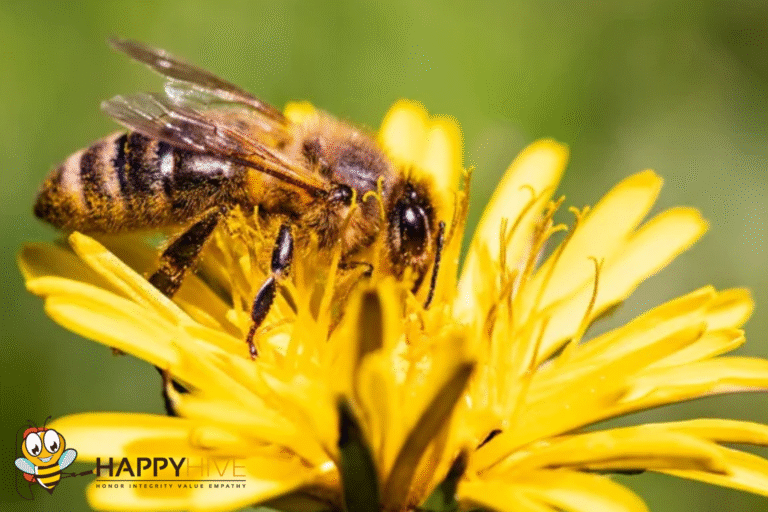
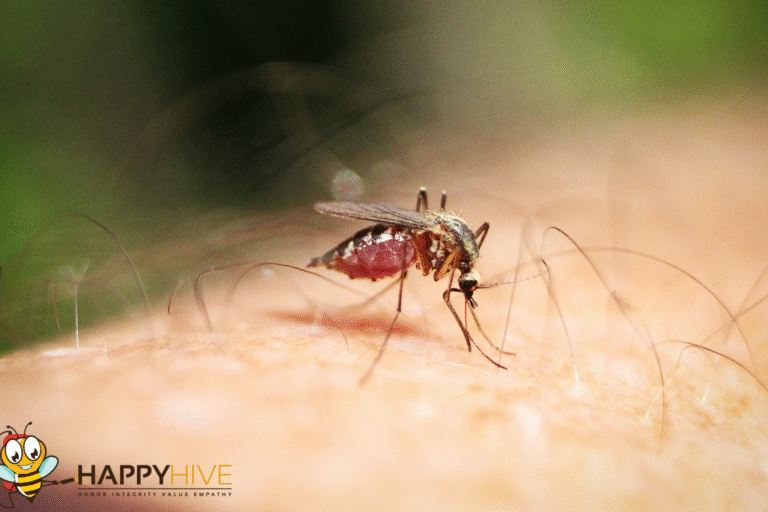
Ants, mosquitoes, stinging insects, flies, spiders, and other outdoor pests may become more noticeable during warmer months.
However, seasonal activity varies by pest species and weather conditions. Seeing an occasional insect outside does not automatically indicate an indoor infestation.
The more important warning sign is repeated or increasing activity, especially when pests are consistently entering the home or appearing in multiple areas.
How Should You Prepare Your Home for Fall Pests?
Fall brings cooler temperatures, which can change pest behavior. Some pests may begin looking for warmer, sheltered areas as outdoor conditions become less favorable.
This makes fall an important time to inspect potential entry points before colder weather arrives.
Fall Pest Prevention Checklist
- Inspect gaps around doors and windows.
- Check the foundation for cracks or openings.
- Seal appropriate openings around utility lines and pipes.
- Inspect the attic and other sheltered areas.
- Move firewood away from the structure and keep it elevated where appropriate.
- Remove leaves and organic debris from around the foundation.
- Clean gutters and maintain proper drainage.
- Check garages and storage areas for signs of rodents.
- Store pet food and other food sources securely.
- Look for evidence of pests attempting to enter the home.
Why Is Fall Important for Pest Prevention?
Fall prevention focuses heavily on exclusion and inspection.
A small gap may not seem important during warm weather, but it can become an entry point when pests begin seeking shelter.
Homeowners researching Milford pest control may also benefit from thinking about prevention before indoor activity becomes noticeable. Sealing access points and correcting moisture or food sources can be useful regardless of whether professional treatment is ultimately needed.
What Pest Control Should You Do During Winter?
Winter does not necessarily mean pests disappear.
Some pests remain active indoors, while others may spend colder periods in protected locations. Heated buildings can also provide warmth, food, and shelter that are unavailable outdoors.
Winter Pest Prevention Checklist
- Inspect attics, basements, crawl spaces, and garages.
- Watch for rodent droppings or gnaw marks.
- Check for drafts or gaps around doors and windows.
- Inspect stored food and pantry areas.
- Keep firewood and stored materials organized.
- Reduce unnecessary clutter.
- Check plumbing and moisture-prone areas.
- Monitor for unusual sounds or activity inside walls or ceilings.
- Continue checking for insects in warm indoor areas.
- Address signs of recurring activity instead of assuming they are seasonal and temporary.
Which Pests Can Remain Active During Winter?
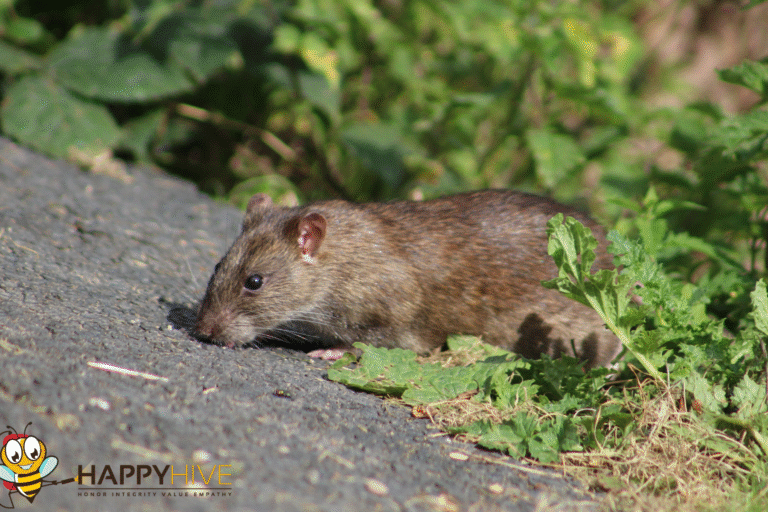
Rodents may remain active inside buildings during colder weather. Certain insects can also persist indoors where temperatures and food sources allow them to survive.
This is why winter should be treated as a monitoring season rather than assuming pest activity has stopped completely.
What Should You Do for Year-Round Pest Prevention?
Seasonal tasks are useful, but several habits should continue throughout the year.
1. Control Moisture
Leaks, condensation, poor drainage, and standing water can create conditions that attract or support certain pests.
Check plumbing fixtures, gutters, downspouts, outdoor faucets, and other moisture-prone areas regularly.
2. Seal Potential Entry Points
Inspect areas where pipes, wires, vents, doors, and windows meet the structure.
Not every opening can or should be sealed in the same way, so repairs should account for the function of the opening and the materials involved.
3. Manage Food Sources
Keep food stored properly and clean spills promptly.
Pet food, crumbs, garbage, outdoor food, and fallen fruit can all provide accessible food sources for different pests.
4. Reduce Harborage
Clutter can create protected spaces where pests may hide.
Keep storage areas organized and avoid allowing unnecessary materials to accumulate against the structure.
5. Maintain the Exterior
Regularly inspect the foundation, roofline, doors, windows, drainage areas, and surrounding landscape.
The goal is not to create a completely pest-free outdoor environment. Instead, it is to reduce conditions that make it easier for pests to enter or establish themselves inside the property.
What Are the Warning Signs That Prevention Is Not Working?
A good prevention routine should include monitoring.
Watch for:
Repeated Pest Sightings
Seeing the same type of pest repeatedly can indicate that more than an isolated encounter is occurring.
Activity in Multiple Areas
Pests appearing in different rooms or areas of the property may indicate that activity is becoming more established.
Droppings or Other Evidence
Droppings, shed skins, nests, gnaw marks, damaged materials, trails, or unusual odors can provide evidence even when live pests are not visible.
Recurring Activity After Cleaning
If pests repeatedly return after food sources, clutter, or moisture problems have been addressed, there may be another contributing factor.
New Property Damage
Damage to wood, insulation, food packaging, screens, or other materials can warrant further investigation.
Activity in Inaccessible Areas
Pests inside walls, ceilings, attics, crawl spaces, or other difficult-to-reach locations may be difficult to evaluate without appropriate equipment or expertise.
If these warning signs continue, repeatedly treating visible pests without identifying the source may not resolve the underlying problem.
When Should You Consider Professional Pest Control?
Not every pest sighting requires professional service.
Professional assessment may become more appropriate when:
- Pest activity continues despite reasonable prevention.
- The infestation appears to be spreading.
- The pest cannot be confidently identified.
- Activity is occurring in inaccessible areas.
- There are signs of property damage.
- You find evidence of nesting or reproduction.
- Multiple treatment attempts have failed.
- The pest presents a potential safety concern.
- You are unsure how to address the problem safely.
The purpose of professional service should be to understand the situation and determine an appropriate response rather than automatically applying the same treatment to every property.
What Happens During a Professional Pest Inspection?
An inspection may begin with questions about what the homeowner has observed.
A technician may evaluate:
- Where pests have been seen
- How frequently activity occurs
- Possible entry points
- Moisture conditions
- Food sources
- Structural gaps
- Harborage areas
- Evidence of nesting or reproduction
- Areas where pests may be hidden
The exact process depends on the pest and property.
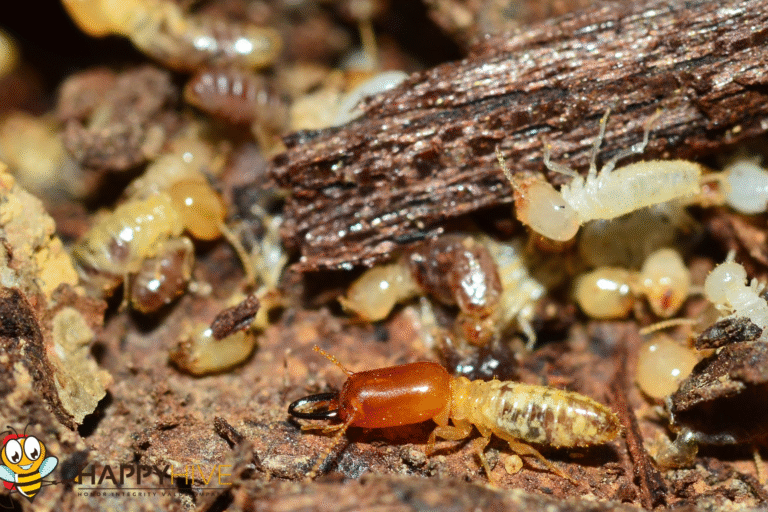
For example, investigating rodents may involve looking for entry points and evidence of nesting, while investigating termites may require attention to wood, foundations, and other areas where termite activity could occur.
A useful inspection should help distinguish between an isolated sighting and an established problem, which can help homeowners determine whether routine prevention is enough or if pest control in Milford may be appropriate.
What Factors Determine the Right Pest Control Approach?
There is no universal seasonal treatment that applies to every property.
The appropriate response depends on several factors.
Pest Type
Different pests have different behaviors, nesting habits, food sources, and entry methods.
Severity
A single isolated sighting is different from recurring activity or evidence of an established population.
Location
Activity inside walls, attics, crawl spaces, foundations, or other inaccessible areas may require a different approach than pests found in visible areas.
Contributing Conditions
Moisture, food, vegetation, clutter, structural gaps, and other environmental conditions can influence pest activity.
Recurrence
If the same problem repeatedly returns, it is important to investigate why rather than simply repeating the same treatment.
How Can You Tell If You Need More Than Seasonal Prevention?
Seasonal maintenance is primarily preventive. It is not a substitute for addressing an established infestation.
Consider seeking further assessment when:
- The same pest keeps returning.
- The number of sightings is increasing.
- Signs of nesting are present.
- You find unexplained property damage.
- Pest activity occurs despite correcting obvious conditions.
- You cannot determine how pests are entering.
- You have already tried appropriate measures without meaningful improvement.
At this point, the question changes from “How do I prevent pests?” to “What is causing this activity, and how should it be addressed?”
That distinction can help homeowners avoid spending time repeatedly treating symptoms without investigating the underlying problem.
How Should Homeowners Prepare for Seasonal Pest Activity?
A practical way to manage pest prevention is to divide the year into recurring inspection periods rather than waiting until pests become obvious.
At the Start of Spring
Inspect exterior entry points, drainage, moisture conditions, and early insect activity.
During Summer
Monitor standing water, outdoor food sources, vegetation, and stinging-insect activity.
Before Fall
Focus on exclusion, foundation inspections, firewood storage, and potential rodent entry points.
During Winter
Monitor indoor areas, especially warm or sheltered spaces, and look for evidence of rodents or insects remaining active indoors.
Throughout the Year
Continue basic sanitation, moisture control, exclusion, exterior maintenance, and monitoring.
This approach turns pest prevention into a routine rather than a reaction to a sudden infestation, while helping homeowners recognize when it may be time to contact a Milford exterminator for further assessment.
Seasonal Pest Control Checklist
Use this simplified checklist as a recurring home-maintenance reference:
| Season | Main Focus | What to Check |
|---|---|---|
| Spring | Inspection and moisture control | Foundation, gutters, leaks, entry points, early insect activity |
| Summer | Outdoor activity and standing water | Yard, patios, trash, vegetation, screens, nests |
| Fall | Exclusion and shelter prevention | Doors, windows, foundation, firewood, attic, garage |
| Winter | Indoor monitoring | Attic, basement, crawl spaces, pantry, walls, rodent signs |
| Year-round | Prevention and detection | Food, moisture, clutter, entry points, recurring activity |
The timing of specific pest activity can vary with species and weather, so use the checklist as a guide rather than a strict calendar.
How Can You Make Seasonal Pest Prevention More Effective?
The most useful prevention routines are consistent and specific.
Instead of waiting until a pest problem becomes obvious:
- Inspect vulnerable areas regularly.
- Correct moisture and sanitation issues.
- Seal appropriate entry points.
- Keep exterior areas maintained.
- Monitor for changes in pest activity.
- Document recurring signs.
- Investigate problems that continue despite prevention.
- Seek professional assessment when the source or solution is unclear.
This makes it easier to distinguish normal seasonal activity from a developing pest problem.
FREQUENTLY ASKED QUESTIONS
What is the best time of year to inspect for pests?
There is no single best time. Spring and fall are particularly useful for seasonal inspections because changing weather can increase pest movement, but monitoring should continue throughout the year.
How often should I check my home for pests?
A quick visual check can be incorporated into regular home maintenance, while more detailed inspections can be performed when seasons change or when you notice signs of activity.
What pest prevention should I do every season?
Focus on controlling moisture, storing food properly, maintaining the exterior, reducing clutter, sealing appropriate entry points, and watching for signs of pest activity.
Are pests still active during winter?
Yes. Some pests remain active indoors, particularly where buildings provide warmth, food, and shelter. Rodent activity can also become more noticeable when outdoor temperatures fall.
When should seasonal prevention become professional pest control?
Consider professional assessment when pest activity persists, spreads, returns repeatedly, causes damage, occurs in inaccessible areas, or cannot be confidently identified.
Can seasonal pest prevention eliminate all pests?
No. Prevention can reduce conditions that attract or support pests, but no routine can guarantee that a property will never experience pest activity.
Conclusion
Seasonal pest prevention is most effective when it combines routine maintenance with regular observation. By adjusting your checklist throughout the year and responding to early warning signs, you can address many conditions that contribute to pest activity before they become more difficult to manage.
The key is consistency: inspect, prevent, monitor, and investigate recurring problems rather than waiting for a visible infestation to become severe.
Need Professional Pest Control Help?
If seasonal prevention is no longer enough or you are dealing with recurring pest activity, Happy Hive Pest Management can help assess the situation and determine an appropriate next step. Homeowners looking for professional assistance can explore Happy Hive’s local pest control services.
We specialize in managing a variety of pests, including ants, rodents, cockroaches, spiders, fleas, ticks, and more. Whether you need ongoing quarterly service, seasonal treatments, or one-time support, Happy Hive Pest Management is committed to delivering quality solutions with your comfort and safety in mind. Contact us now to get started.
LEARN MORE HERE:
Clean Doesn’t Mean Pest-Free: The Hidden Threat in Hamilton Homes