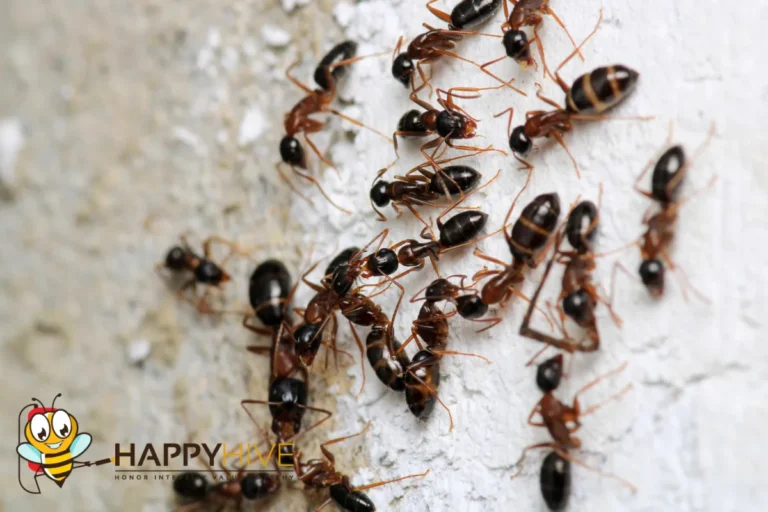











Don’t Panic! How to Handle Unexpected Pest Sightings
Finding an unexpected pest in your home can be unsettling, but one sighting does not automatically mean you have an infestation. Keep a safe distance, avoid touching the pest, and look for clues that can help you determine what to do next. The right response depends on the type of pest, where it appears, and whether there are signs of a larger problem.
What Should You Do First When You Spot a Pest?
Your priority is to keep people and pets safe while avoiding actions that could make the situation harder to assess. You do not always need to apply a pesticide or call a professional immediately, but you should take a moment to evaluate the circumstances.
Keep a Safe Distance
Avoid handling an unfamiliar insect or animal, especially if it may bite, sting, or carry disease. If you spot a wasp, hornet, rodent, or another potentially hazardous pest, keep children and pets away from the area.
Do not disturb a suspected nest or attempt to capture a pest that could pose a safety risk. If the pest is in an area where people could be exposed, restrict access when practical and seek appropriate assistance.
Identify the Pest Without Handling It
Knowing which pest you are dealing with can help you choose the right response. Look at its general size, shape, color, and behavior from a safe distance. If practical, take a photograph without approaching or disturbing it.
Pay attention to where you found it. An insect near a window may have entered from outside, while repeated sightings around food storage or plumbing areas may warrant closer investigation.
If you cannot confidently identify the pest, avoid guessing and applying a product that may not be appropriate for it.
Protect Food, Children, and Pets
If the pest appears near food preparation or storage areas, cover exposed food and clean up accessible spills. Keep children and pets away from the immediate area until you have assessed the situation.
If a pesticide has already been applied, follow its label directions regarding exposure precautions, ventilation, and reentry. Never assume a product is safe simply because it is marketed for household use.
Does One Pest Sighting Mean You Have an Infestation?
Not necessarily. A single insect or rodent sighting may involve a pest that entered from outside, but it can also be an early indication of a larger problem. The species, location, and surrounding evidence all help determine what the sighting means.
For example, one ant near an exterior door may not indicate an established indoor colony. Repeated ant trails near a food source, however, suggest that further investigation may be useful. Similarly, seeing a cockroach in a kitchen or a rodent in a living area may justify checking for additional evidence.
Look for clues such as:
- Repeated sightings in the same room or location.
- Droppings or gnaw marks that may indicate rodent activity.
- Insect trails or clusters appearing around food, moisture, or entry points.
- Shed insect skins, damaged materials, or other pest-related evidence.
- Unusual activity around a suspected nest or opening.
These signs do not all confirm an infestation, and some require professional identification. Avoid assuming that every pest sighting has the same cause or requires the same treatment.
How Should You Respond to Different Types of Pests?
Different pests require different precautions. A response that is reasonable for a single ant may be unsuitable for a rodent, a suspected termite, or a stinging insect nest.
Ants and Cockroaches
If you spot an ant or cockroach, note where it appeared and check the surrounding area for additional activity. Look for accessible food sources, moisture, and gaps around doors or plumbing.
Clean up food residue and store food securely. If sightings continue, investigate further rather than repeatedly spraying individual insects without understanding where they are coming from.
Cockroaches can hide in narrow, sheltered spaces, while ants may follow trails between food sources and their nesting areas. The appropriate response depends on the species and the extent of activity.
Rodents
If you see a mouse or rat, avoid cornering or handling it. Look for possible entry gaps and signs such as droppings, gnaw marks, or damaged food packaging, but do not touch potentially contaminated materials without appropriate precautions.
Store food securely and keep pets away from the area. If you find repeated evidence of rodents or suspect that they are entering through structural openings, professional assessment may help identify the extent of the problem and appropriate control options.
Wasps and Other Stinging Insects
If you notice a wasp or hornet, avoid swatting at it or approaching a suspected nest. Keep a safe distance and observe where the insects are gathering, if you can do so without increasing your risk.
A nest in a wall cavity, roof space, or frequently used area may require professional attention. Do not attempt to block an active nest entrance or remove a nest from a hazardous location yourself.
Anyone who experiences symptoms of a severe allergic reaction after a sting should seek emergency medical assistance.
Suspected Termites
Termites may remain hidden while damaging wood or other cellulose-containing materials. Possible warning signs include mud tubes, discarded wings, or wood that appears damaged, although no single sign confirms an infestation on its own.
Avoid disturbing suspected termite activity unnecessarily. If you notice possible evidence, arrange an appropriate inspection to determine whether termites are present and whether treatment is needed.
What Should You Avoid Doing After a Pest Sighting?
A quick reaction can sometimes create unnecessary risks or make it harder to identify the problem. Before taking action, avoid these common mistakes.
- Do not handle unidentified pests. Some insects and animals can bite, sting, or expose you to contaminants.
- Do not spray every pest you see. A pesticide may not be suitable for the species, surface, or location involved.
- Never mix pesticide products. Combining chemicals can create dangerous exposure risks.
- Do not exceed label directions. Applying more product than instructed does not guarantee better results.
- Do not disturb nests or hidden activity. This can be hazardous, especially when stinging insects or other defensive pests are involved.
- Do not assume one sighting proves an infestation. Look for relevant evidence and consider the type of pest before deciding on further action.
If you have already used a product, review its label and follow the stated precautions. If an exposure has occurred, follow the product’s emergency instructions and contact the appropriate poison control or emergency service when necessary.
When Should You Contact a Pest Control Professional?
Some isolated pest sightings can be managed through observation, basic prevention, and appropriate household measures. Other situations require more specialized identification or treatment.
Consider professional help when:
- You repeatedly see pests despite reasonable prevention efforts.
- You cannot identify the pest or determine where it is coming from.
- You find recurring rodent evidence or suspect activity inside walls or other inaccessible spaces.
- You notice signs that may indicate termite activity or damage to building materials.
- You discover a wasp or hornet nest in a hazardous or difficult-to-access location.
- The pest problem appears to affect multiple rooms or areas.
- You are concerned that a treatment could expose children, pets, or other occupants to unnecessary risk.
A professional assessment can help establish what pest is present, where activity may be occurring, and which response is appropriate. If you need pest control in Hamilton, OH, a qualified technician can help assess the situation and recommend suitable next steps based on the pest and the conditions involved.
What Happens During a Professional Pest Inspection?
A technician may examine the area where the pest was found, review visible evidence, inspect relevant entry points, and look for conditions that could support pest activity. The scope of the inspection depends on the pest and the property.
After identifying the likely issue, the technician can explain possible treatment and prevention options, along with relevant precautions and follow-up recommendations.
For homeowners considering pest control in Hamilton, this kind of assessment can help distinguish an isolated sighting from a problem that needs a more targeted response. It also helps ensure that any recommended treatment addresses the identified pest rather than relying on guesswork.
How Can You Reduce the Risk of Future Pest Sightings?
Although no home can be guaranteed to remain completely pest-free, a few practical habits can help reduce conditions that attract pests or allow them to enter.
Store food properly. Keep food in suitable sealed containers, clean spills promptly, and avoid leaving pet food exposed longer than necessary.
Address moisture issues. Repair leaking pipes where possible, remove standing water when practical, and investigate persistent dampness that could attract certain pests.
Check entry points. Inspect door seals, window screens, and accessible gaps around pipes or other utility openings. Repair suitable openings or seek professional help for larger structural issues.
Keep storage areas organized. Reduce unnecessary clutter and periodically inspect boxes, cupboards, and seldom-used spaces for signs of pest activity.
Dispose of waste appropriately. Use closed bins and clean areas where food residue or rubbish may attract pests.
Monitor areas where pests appeared. If you spot a pest again, note the location, frequency, and any new evidence. This information can help you determine whether the issue is recurring and may assist a professional with identification.
For property owners comparing Hamilton pest control options, prevention and monitoring are useful considerations alongside any treatment recommendation. The most appropriate approach will depend on the pest, the property’s condition, and the evidence of ongoing activity.
Frequently Asked Questions
Does seeing one pest mean my home is infested?
No. One sighting does not automatically confirm an infestation. Consider the pest species, where it appeared, and whether you find repeated activity or additional evidence.
What should I do if I cannot identify a pest?
Avoid handling it or applying an unidentified treatment. If practical, take a photograph from a safe distance and note where it appeared. Seek professional identification if the pest may pose a risk or continues to appear.
Should I spray a pest as soon as I see it?
Not necessarily. First consider the pest’s identity, the potential risks, and whether a product is appropriate for the situation. Always follow the product label if you use a pesticide.
When is an unexpected pest sighting an emergency?
A potentially dangerous encounter, a suspected hazardous chemical exposure, or symptoms of a severe allergic reaction after a sting may require immediate assistance. For other pest concerns, the urgency depends on the species and circumstances.
How can I tell if more pests are hiding nearby?
Look for repeated sightings, droppings, trails, damaged materials, or other species-specific evidence. These signs may warrant further investigation but do not all confirm an infestation on their own.
Conclusion
An unexpected pest sighting does not always signal a major problem, but it is worth responding thoughtfully. Keep a safe distance, avoid unnecessary pesticide use, look for relevant evidence, and consider the risks associated with the specific pest. When sightings recur, or the situation is hard to assess, Happy Hive Pest Management can help you understand your options and decide on the appropriate next step.
Need Help With an Unexpected Pest Problem?
If you are unsure how to handle a pest sighting or have noticed signs of a larger issue, Happy Hive Pest Management can help you explore your options. Contact us today to learn more.
LEARN MORE HERE:
The Hidden Health Risks Lurking Behind Common Household Pests
From Infestation to Elimination: A Step-by-Step Look at Our Pest Control Process