










How Can Homeowners Identify a Stink Bug Infestation Before It Becomes a Larger Problem
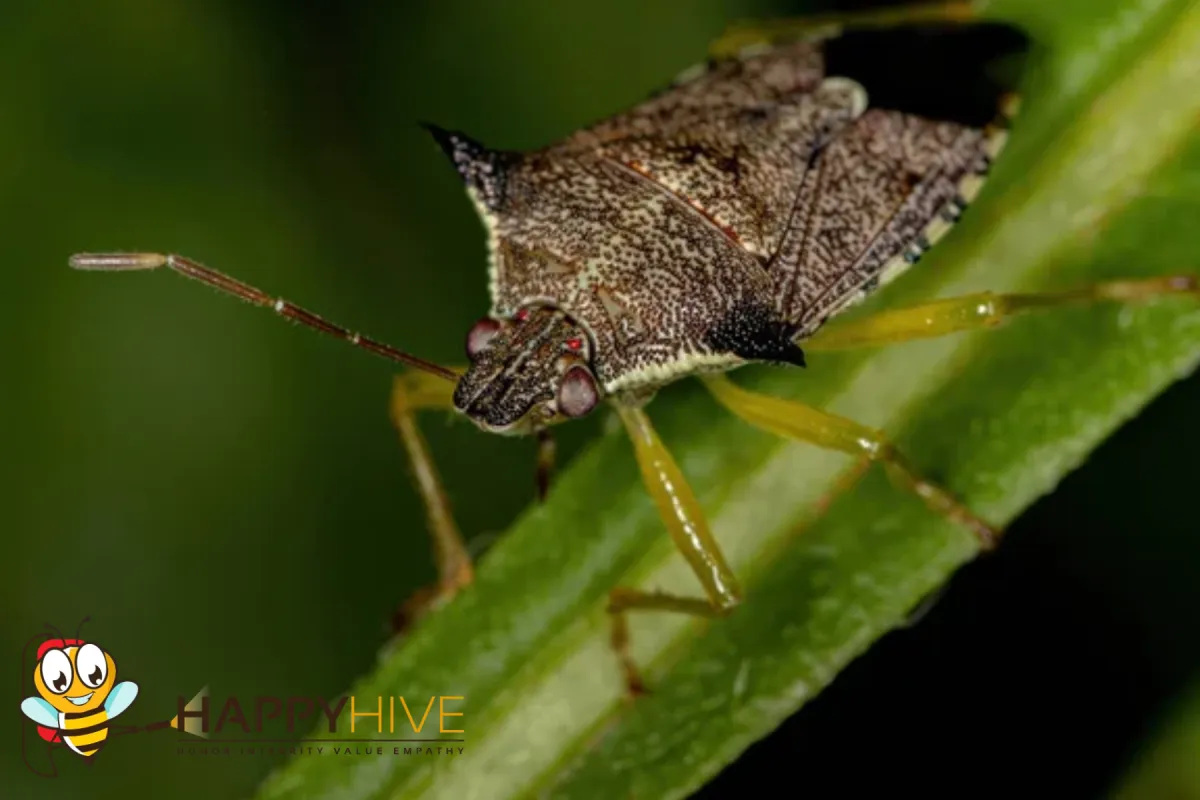
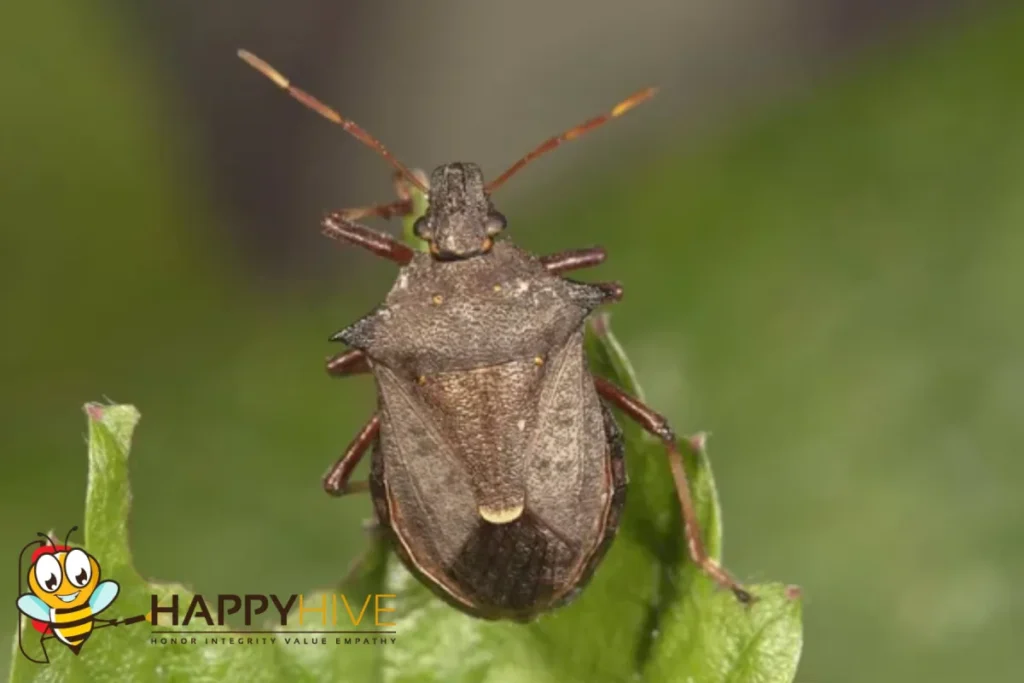
Homeowners can identify a stink bug infestation early by checking sunny, south-facing exterior walls for aggregations and, in late summer, inspecting attic vents or window framing for live insects. Spotting small clusters of light-green, barrel-shaped eggs on the undersides of leaves near foundation plantings, or noticing localized fruit damage in gardens, also signals an imminent indoor migration. Recognizing these baseline indicators allows property owners to seal entry points before a large overwintering population enters interior wall voids.
The Four-Stage Early Detection Protocol
Catching a stink bug invasion early requires a proactive assessment of both external landscaping and internal architectural boundaries before autumn temperatures drop. When these insects begin looking for a place to spend the winter, they move quietly and gather in places you might not check every day. Working with a professional team that provides dependable pest control in Fort Thomas, KY ensures these early warning signs are spotted before insects enter your living spaces.
1. Late-Summer Foliar Inspection
Before stink bugs migrate toward human structures, they breed heavily in gardens and landscape ornamental trees. Homeowners should regularly flip over leaves on host plants such as fruit trees, tomatoes, and ornamental shrubs to spot cluster formations.
2. Sunny Structural Perimeter Sweeps
As evening temperatures drop in late August and September, stink bugs seek ambient warmth. They collect in large numbers on reflective, sunny surfaces, specifically south- and west-facing siding, brick facades, and window glass.
3. Attic and Utility Void Audits
Once inside a home’s structural skin, stink bugs move toward dark, unconditioned spaces to hibernate. Property owners should use a flashlight to audit attic rafters, pull-down stairs, crawlspace entry plates, and utility pipe channels.
4. Olfactory and Visual Interior Spotting
When hibernating bugs are disturbed by indoor heating systems, they drop through recessed lighting fixtures or ceiling vents. Finding more than two or three active insects in living spaces, accompanied by a distinct, coriander-like odor when disturbed, confirms an established overwintering population.
Behavioral and Structural Contrast Matrix: External Breeds vs. Overwintering Pests
Stink bugs shift their physical habitats, diet requirements, and social behaviors entirely as they transition from outdoor breeding to indoor hibernation.
| Structural Phase Metric | Outdoor Agricultural Phase (Spring/Summer) | Indoor Hibernation Phase (Fall/Winter) |
| Primary Location | Garden crops, deciduous tree canopies, landscape mulch. | Attic rafters, wall insulation voids, window casing channels. |
| Dietary Action | Actively piercing plant stems and skin to harvest plant juices. | Non-feeding; metabolic functions drop to survive winter. |
| Social Distribution | Dispersed individually across wide agricultural feeding zones. | Heavily clustered together using chemical aggregation pheromones. |
| Primary Home Entry Vector | Open windows, unsealed exhaust vents, under-eave fascia gaps. | Baseboard cracks, electrical outlets, recessed ceiling lights. |
| Key Inspection Sign | Punctured garden fruit, green barrel-shaped egg clusters. | Live or dead bugs near windows, distinct coriander odor. |
When a property experiences heavy seasonal migration, simple home remedies usually fail to keep insects out. Securing a skilled exterminator in Fort Thomas, KY ensures that both outdoor breeding sites and indoor overwintering clusters are properly treated before the bugs can settle deep behind your drywall.
Debunking the Myth: “Stink Bugs Nest and Breed Inside Drywall Voids During the Winter Months”
The Misconception: “Once stink bugs gain access to your home’s attic or wall cavities in the fall, they immediately build nests, lay eggs, and multiply inside your structural framing all winter long.”
This is a common household misconception that causes unnecessary panic for property owners. Stink bugs do not build nests, and they are biologically incapable of reproducing or laying eggs indoors during the cold winter months. When these insects enter a building in late autumn, they enter a state called diapause, a type of insect hibernation in which their metabolic processes slow almost completely.
Homeowners looking for a trustworthy Fort Thomas exterminator are often relieved to learn that these pests do not lay eggs or multiply inside dark, dry structural insulation. Because they require active solar warmth and live host plants to nourish themselves, they cannot breed indoors. Any bug you find inside your living room in January or February entered the house back in September or October. They are simply waking up early because your home’s interior heating system tricks them into believing spring has arrived.
Applying Our Tailored Environmental Shield to Solve This
At Happy Hive Pest Management, we aim to be your warm, reliable, and customer-focused partner in maintaining safe, pest-free environments. We do not believe in broad, reckless chemical applications or rushing through your home. Instead, we use our local expertise to design targeted solutions that protect your property while maintaining a strong commitment to environmental responsibility. During a recent structural check for a home in Fort Thomas, our technicians located an early aggregation of stink bugs gathered under a loose fascia board, stopping the insects from entering the attic insulation.
Strategic Correction of Entry Pathways
We solve persistent seasonal pest problems by implementing a comprehensive, multi-step defense system. Our process begins with a thorough inspection of your entire property, identifying hidden entry points and exterior gathering zones. Once we map out the vulnerabilities, our team focuses on sealing cracks and keeping your home properly ventilated to eliminate the entry points and moisture levels that crawling insects require.
Target-Specific Mitigation
To manage active populations safely without introducing harsh chemicals into your living rooms, we use safe, eco-friendly solutions around your foundation and rooflines. This includes precisely applying insecticide along exterior migration tracks and using traps in key monitoring areas to catch pests before they can crawl inside. These professional methods deliver fast and effective results while ensuring your family and pets remain completely safe.
Long-Term Shielding
True peace of mind requires continuous protection as seasons change. Our ongoing service includes regular maintenance checks to ensure your physical barriers remain intact and your home stays secure year-round. By combining local knowledge with neighborly care, we ensure that you can feel completely confident and at ease in a clean, comfortable home.
Specifications of Advanced Insect Exclusion Systems
- Low-Profile Sticky Traps: Placement of specialized physical monitoring blocks behind storage areas and window casings to track overwintering movements.
- Micro-Encapsulated Border Barriers: Target-specific liquid treatments containing microscopic active spheres that lock onto exterior siding surfaces to deter crawling bugs.
- Stainless Steel Exclusion Mesh: Ultra-fine, rust-resistant wire cloth packed tightly into open brick weep holes and soffit vents to stop flying bugs while maintaining ventilation.
- Silicone-Polymer Sealants: Weather-resistant compound layers applied during maintenance visits to plug gaps around exterior window framing permanently.
People Also Ask (FAQ)
What do stink bug egg clusters look like, and where are they usually hidden?
Stink bug eggs resemble tiny, light-green or yellow barrels glued tightly together in neat clusters of 20 to 30. They are found stuck directly to the undersides of leaves on yard trees, shrubs, and garden crops during June and July.
Why do stink bugs emit a foul odor, and does squishing them attract more?
The odor is a defensive chemical released from glands on the insect’s abdomen when it feels threatened or crushed. While the odor itself acts as a warning to predators, the lingering scent contains tracking cues that can signal to other stink bugs that safe harborage is nearby.
Can standard household vacuum cleaners be used to remove indoor stink bugs?
Yes, but you should use a shop vacuum or a vacuum with a disposable bag. When drawn into a vacuum canister, the insects will release their heavy defensive odor, which can foul the vacuum’s internal filters and blow a pungent scent into your rooms every time you run the motor.
Are the products used for exterior stink bug barriers safe for my family and pets?
Yes. We prioritize transparent, eco-friendly services that provide long-term peace of mind without introducing harsh chemicals into your living spaces. Our targeted applications are applied safely around your foundation borders, keeping your family secure.
Secure Your Exterior Perimeter Before the Autumn Migration
Leaving your home’s rooflines and foundation seams unsealed during the late summer allows wandering insects to turn your warm wall insulation into a permanent winter campground. You deserve to feel completely safe, reassured, and at ease in your own home or business. At Happy Hive Pest Management, we treat your household with the individual care and neighborly respect you expect from a dedicated community partner. All of our technicians are thoroughly trained, professional, and fully committed to delivering reliable, eco-friendly services that last.
We stand firmly behind our personalized work with an absolute satisfaction guarantee. If pest issues return between your regularly scheduled maintenance visits, our friendly and approachable technicians will come back to address the problem at absolutely no extra cost to you. Let our expert specialists manage the technical steps so you and your family can rest easy.
Don’t let frustrating seasonal sightings or pungent odors compromise your family’s comfort. Take a proactive step toward a clean, worry-free living environment today. Contact us today to request a free quote or schedule a custom consultation. Let us take care of your home with professional, expert care.