










Why Do Spiders Keep Coming Back After Web Removal
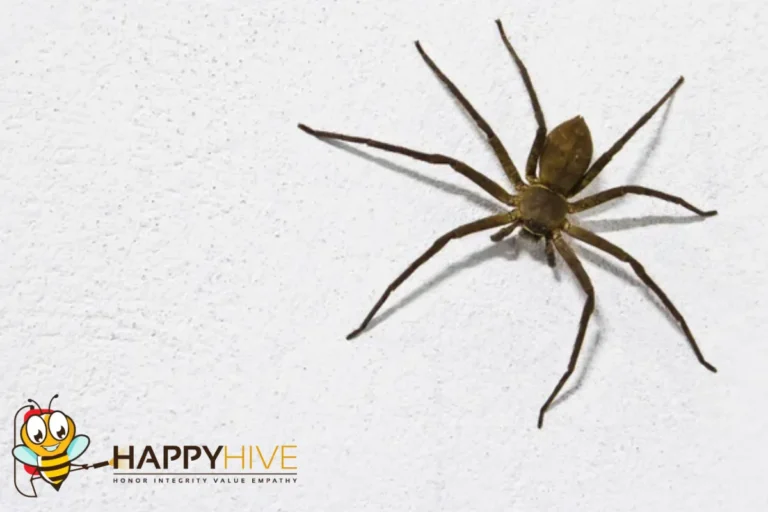
Spiders keep coming back after web removal because taking down a web does not always remove the spider, its hiding place, or the conditions attracting it. If insects remain available as food and entry points stay open, spiders may continue appearing in the same areas. Reducing recurring spider activity means addressing more than the visible webs.
Why Do Spiders Keep Rebuilding Their Webs?
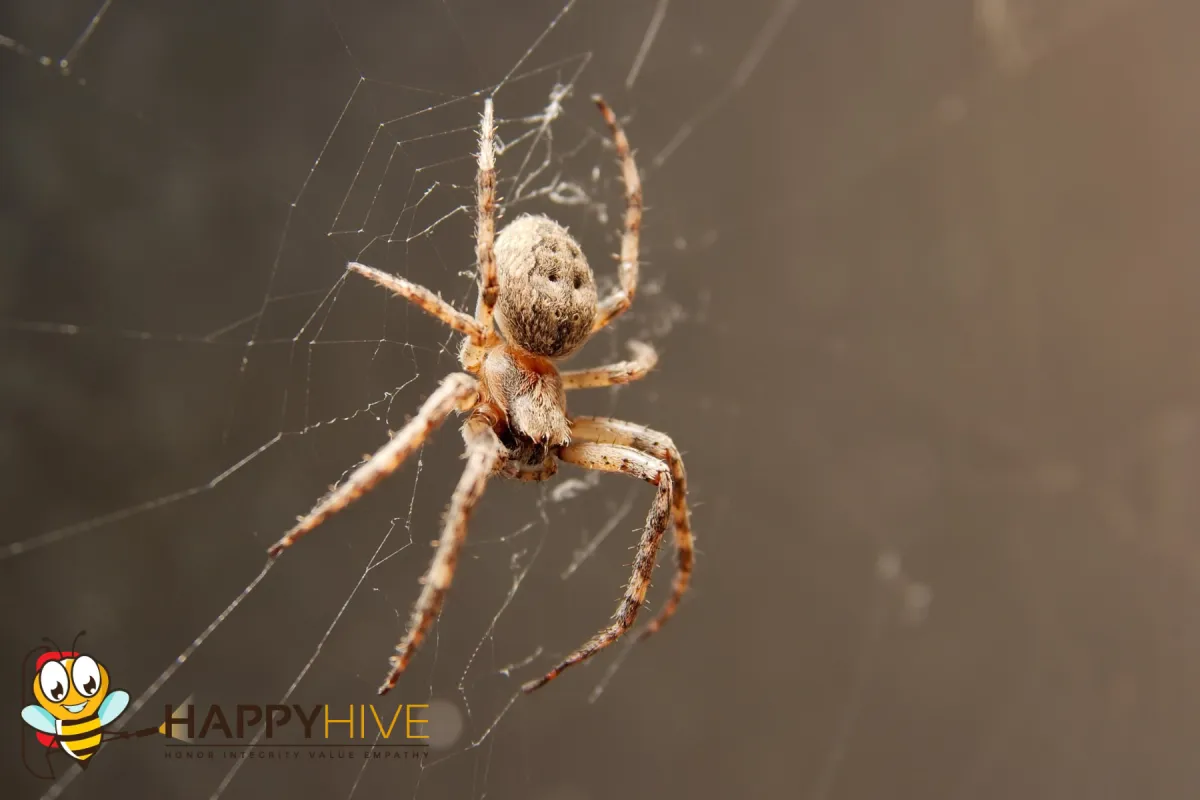
Removing a spider web can make a room or outdoor area look cleaner, but it does not necessarily solve the reason spiders are there. A spider may still be hiding nearby, or another spider may enter and build a new web in the same location.
Spiders feed on insects and other small creatures. Homes with a steady supply of insects, sheltered spaces, and suitable places to build webs may continue attracting them.
5 Reasons Spiders Keep Returning to the Same Areas
Here are five common reasons you may keep finding webs after cleaning:
- Food is still available. Spiders feed on insects such as flies, mosquitoes, and ants. If these pests are active around your home, spiders may stay nearby.
- The area provides shelter. Dark corners, storage spaces, garages, and quiet rooms give spiders places to hide with little disturbance.
- Entry points remain open. Small gaps around doors, windows, screens, and foundations can allow spiders to enter.
- Other spiders may move into the area. Removing one web does not stop another spider from using the same suitable location.
- The location is convenient for web-building. Ceiling corners, window frames, eaves, and covered entryways provide surfaces where some spiders can catch passing insects.
Why Do Spiders Choose the Same Corners and Rooms?
Spiders often settle in places where they can find food and stay undisturbed. This is why you may repeatedly notice webs in certain parts of your property.
Common areas to check include:
- Ceiling corners and wall edges.
- Window frames and doorways.
- Basements, garages, and storage rooms.
- Spaces behind furniture and appliances.
- Covered porches, eaves, and areas near outdoor lights.
If a web keeps appearing in the same corner, check the surrounding area instead of focusing only on the web. Look for nearby insects, gaps that may allow spiders inside, and quiet spaces where they can hide.
Does Removing Spider Webs Actually Get Rid of Spiders?
Removing webs clears visible spider activity, but it may not control the problem by itself. The spider could be hiding nearby, egg sacs may remain, or other spiders may enter the property.
Web removal is one part of spider control, not a complete solution.
Web Removal vs. Spider Control: What’s the Difference?
| Approach | What It Addresses | What It May Not Address |
| Web removal | Visible webs and spiders caught in them | Hidden spiders, egg sacs, and entry points |
| Vacuuming | Accessible spiders, webs, and debris | Activity in hard-to-reach spaces |
| Cleaning and decluttering | Hiding places and undisturbed areas | Spiders entering from outside |
| Sealing entry points | Some routes spiders use to enter | Spiders already inside |
| Professional pest control | Identified spider activity and contributing conditions | Cannot guarantee spiders will never return |
What Happens When You Remove a Spider Web?
When you remove a web, you clear the visible structure, but other activity may continue:
- The spider may remain nearby. It could be hiding in a crack, behind furniture, or in another sheltered spot.
- Another spider may enter the area. If the location offers food and shelter, it may attract new spider activity.
- Egg sacs may remain. Removing a web does not automatically remove every egg sac or hidden spider.
- The food source may still be present. Insects around windows, lights, and entryways can continue attracting spiders.
If webs keep returning, inspect the surrounding area for hiding places, possible entry points, and insect activity.
Where Do Spiders Hide After Their Webs Are Removed?
Not all spiders stay in visible webs. Some spend much of their time in quiet spaces, cracks, and other sheltered areas. You may not notice them until they move into an open area or build a new web.
6 Common Spider Hiding Places Inside and Around Your Home
- Basements and crawl spaces: Dark corners and areas with little daily activity can provide shelter.
- Garages and sheds: Boxes, stored equipment, and clutter can give spiders places to hide.
- Closets and storage rooms: Undisturbed corners and belongings stored for long periods may offer shelter.
- Behind furniture and appliances: Spiders can stay in spaces that are rarely moved or cleaned.
- Window and door frames: Small gaps and corners can provide possible entry points and sheltered areas.
- Outdoor eaves and covered entryways: Protected surfaces around the home can provide convenient places for web-building.
Signs of Spider Activity Beyond Visible Webs
Look for these signs when checking your property:
- Spiders appearing in the same rooms repeatedly.
- Small egg sacs in corners or hidden spaces.
- New webs appearing shortly after cleaning.
- Spiders found around windows, doors, or storage areas.
- Increased insect activity near outdoor lights and entrances.
These signs can help you identify areas that need attention. However, finding one spider does not automatically mean you have a serious infestation.
What Is the Difference Between Web-Building Spiders and Hunting Spiders?
Different spiders behave in different ways. Some build webs to catch prey, while others move around to find food. This difference helps explain why removing webs may not address every spider problem.
Web-Building Spiders vs. Hunting Spiders
| Spider Type | Common Behavior | Where to Look | What to Consider |
| Web-building spiders | Create webs to catch prey | Corners, ceilings, windows, and eaves | Check recurring web locations and nearby insect activity |
| Hunting spiders | Move around to search for prey | Floors, storage areas, garages, and gaps | Check hiding places and possible entry points |
Why Does Spider Behavior Matter for Prevention?
Web removal is useful when spiders leave visible webs, but hunting spiders may not leave any behind. They can move through the property while searching for insects or places to hide.
For this reason, prevention should cover more than ceilings and corners. Check storage spaces, gaps around doors, and other quiet areas where spiders may stay. If these problems keep recurring, an exterminator in Amelia, OH can help identify overlooked hiding places and recommend suitable prevention methods.
How Can You Stop Spiders From Returning After Web Removal?
To reduce recurring spider activity, address the conditions that attract them. This includes cleaning hiding places, limiting insect activity, and checking how spiders may be entering your home.
7 Practical Ways to Reduce Recurring Spider Activity
- Remove webs and visible egg sacs. Check corners, ceilings, window frames, and outdoor structures. Use a vacuum or suitable web-removal tool and dispose of collected material properly.
- Vacuum hidden areas. Clean beneath furniture, behind appliances, and around storage spaces where spiders may stay.
- Reduce clutter. Organize boxes, clothing, and stored belongings to limit undisturbed hiding places.
- Seal gaps and openings. Check door sweeps, window frames, screens, and openings around utility lines.
- Reduce insect activity. Keep food areas clean, manage standing water where possible, and address other pest problems that may provide spiders with food.
- Manage outdoor lighting. Review where lights are placed and whether they attract flying insects near doors and windows.
- Inspect outdoor areas regularly. Check eaves, sheds, garages, and other sheltered spaces around the property.
Which Prevention Methods Work Best for Different Spider Problems?
| Recurring Problem | Recommended First Step | Why It Helps |
| Webs returning in corners | Remove webs and inspect nearby hiding places | Addresses visible activity and possible shelter |
| Spiders near windows | Check screens and seal gaps | Helps reduce possible entry points |
| Spiders in garages | Organize storage and remove clutter | Reduces undisturbed hiding places |
| Spiders near outdoor lights | Review insect activity around lighting | Addresses a possible food source |
| Spiders appearing in several rooms | Inspect the property for contributing conditions | Helps identify whether activity is isolated or widespread |
For homeowners searching for an Amelia exterminator, understanding these recurring conditions can help them ask better questions about inspection, treatment, and prevention.
Common Spider Control Myths That Keep Homeowners Stuck
Some common beliefs about spiders can lead homeowners to repeat the same cleaning routine without addressing the source of the problem. Here are a few misconceptions worth understanding.
Myth 1: Removing Spider Webs Permanently Gets Rid of Spiders
Reality: Web removal clears visible webbing, but spiders may remain hidden or enter again through gaps and openings. Other spiders may also build webs in suitable locations.
Myth 2: Spiders Only Live in Dirty Homes
Reality: Spiders can enter clean, well-maintained homes while looking for food or shelter. Clutter may create additional hiding places, but cleanliness alone does not prevent spider activity.
Myth 3: Every Spider Builds a Web
Reality: Some spiders build webs, while others actively hunt for prey. A lack of visible webs does not mean spiders are absent.
Myth 4: Seeing One Spider Means You Have an Infestation
Reality: An occasional spider does not automatically indicate an infestation. Repeated sightings, recurring webs, and multiple signs of activity may call for a closer inspection.
Applying Our Precision Spider Control Approach to Solve This
At Happy Hive Pest Management, we understand that repeatedly removing webs can become frustrating. Our approach goes beyond visible spider activity by combining five parts: precision treatment techniques, an integrated approach, targeted barrier treatments, web removal, and secondary pest control.
Each part has a specific purpose, helping address spider activity and the conditions that may allow it to continue.
Step 1: Use Precision Treatment Techniques to Identify Problem Areas
Effective spider management starts with understanding where activity is happening. Our inspection approach focuses on areas where spiders and webs repeatedly appear, along with nearby hiding places and possible entry points.
We look at:
- Corners, window frames, doorways, and eaves.
- Garages, storage areas, and other quiet spaces.
- Gaps and openings that may allow spiders inside.
- Areas with signs of insect activity.
This helps us understand whether the problem is limited to a few locations or involves several parts of the property. Recommendations can then be based on the conditions found during the inspection rather than treating every area the same way.
Step 2: Apply an Integrated Approach to Spider Control
An integrated approach combines different control methods instead of relying on one treatment alone. For recurring spider activity, this can include removing visible webs, identifying hiding places, addressing entry points, and reducing the insects spiders feed on.
These methods work together: web removal clears existing webbing, while inspection and other control measures address conditions that may contribute to continued activity.
Step 3: Use Targeted Barrier Treatments Where Appropriate
Targeted barrier treatments focus on selected areas where spiders may travel or enter the property. Rather than assuming every surface needs treatment, the goal is to identify relevant locations based on the inspection and use appropriate products according to their labels.
Potential treatment areas may include selected exterior entry points, structural edges, and other locations identified during the inspection. The treatment plan depends on the property, the type of activity, and the areas that need attention.
Step 4: Include Web Removal in the Treatment Process
Removing visible webs remains an important part of spider management. It clears corners, eaves, windows, and other areas where web-building spiders have been active.
However, web removal works best as part of a broader plan. If nearby hiding places, insect activity, and possible entry points remain unaddressed, new spider activity may continue.
Step 5: Address Secondary Pests That Attract Spiders
Spiders feed on insects, so other pest activity may contribute to recurring spider problems. Flying or crawling insects around your property can provide a food source.
Secondary pest control focuses on identifying and addressing these other pest issues when they are present. Reducing available food sources may make the property less attractive to spiders over time.
For those considering pest control in Amelia, OH, Happy Hive Pest Management can help assess the activity and explain which parts of an integrated treatment plan may be suitable for the property.
People Also Ask About Spiders Returning After Web Removal
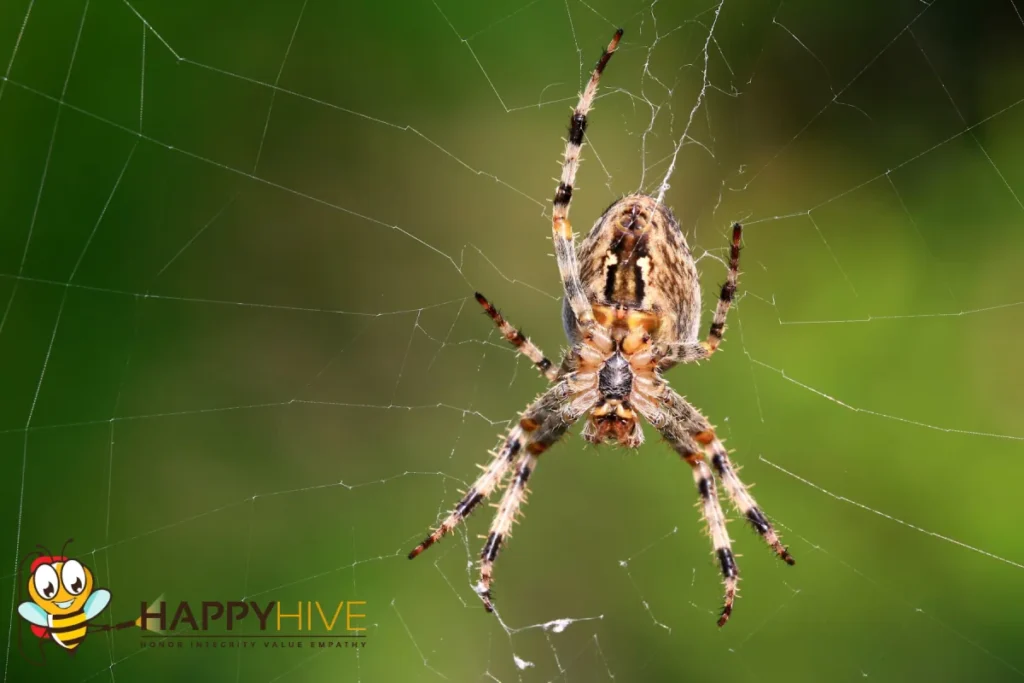
Why do spiders rebuild webs in the same place?
Spiders may return to the same general area because it provides shelter, suitable surfaces for web-building, and access to insects. Other spiders may also use that location if the conditions remain favorable.
Does removing spider webs make spiders go away?
Not always. Removing a web clears visible webbing, but a spider may still be hiding nearby. Other spiders may also enter the property if gaps, food sources, and sheltered areas remain available.
How often should I remove spider webs?
Remove webs when you notice them, especially around doors, windows, corners, and outdoor structures. If new webs keep appearing in the same areas, inspect nearby hiding places and possible entry points instead of relying on cleaning alone.
Do spiders come back after pest control treatment?
Spiders may still appear after treatment if new ones enter the property or if conditions that attract them remain. Results depend on the type of spider, the property, the treatment plan, and ongoing prevention.
What attracts spiders to a house?
Spiders may enter homes in search of insects, shelter, and places to hide or build webs. Gaps around doors and windows, cluttered storage areas, and outdoor lighting that attracts insects can contribute to activity.
Stop Repeated Web Removal and Address the Source of Spider Activity
Removing spider webs can make your home look cleaner, but it may not stop spiders from returning. A better approach is to check where spiders hide, what they eat, how they enter, and which areas continue to support their activity.
Happy Hive Pest Management takes a customer-focused approach to pest control. Our spider control approach combines professional inspections, precision treatment techniques, targeted barrier treatments, web removal, and secondary pest control. We also value clear communication, reliable service, and environmentally responsible solutions.
If you keep finding new webs after cleaning, let our team help you look beyond the visible problem. Contact us today for a consultation or free quote. Our team can discuss your concerns, explain your options, and help you decide on the next step.