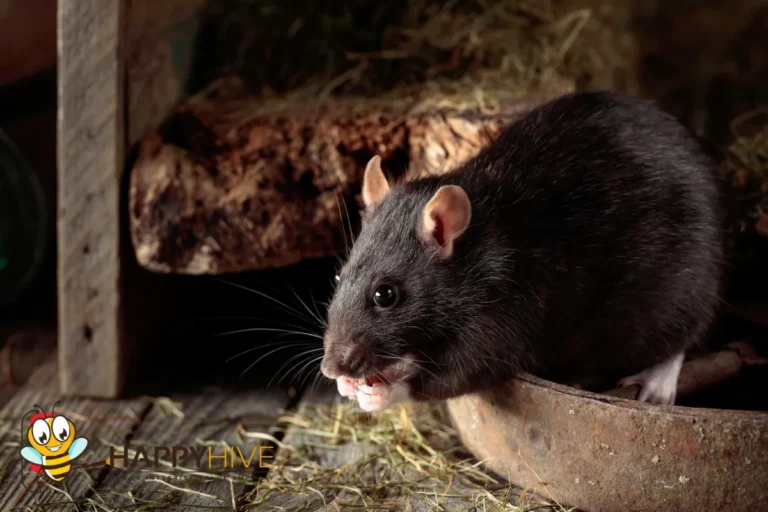












How Does Rodent Exclusion Work, and Which Entry Points Should Be Sealed First
Rodent exclusion is the process of sealing openings that mice and rats use to enter a building. The first areas to check include gaps around utility pipes, foundation cracks, door gaps, damaged vents, and roofline openings. Before sealing them, inspect for active rodents and plan how to address any animals already inside.
What Is Rodent Exclusion, and How Does It Work?
Rodent exclusion helps keep mice and rats out by blocking the openings they use to enter homes and businesses. While rodent control may include trapping or baiting to address existing infestations, exclusion focuses on preventing rodents from getting inside in the first place.
The process starts with an inspection of the building’s interior and exterior. A technician looks for droppings, gnaw marks, nesting materials, and gaps around the foundation, roofline, doors, vents, and utility lines. After identifying likely entry points, the technician selects suitable materials to seal or repair the openings.
Exclusion works best when combined with other steps, such as trapping active rodents, securing food, reducing clutter, and checking for new signs of activity. Professional pest control in Fairfield, OH can help address existing infestations and identify areas that need attention. Sealing openings alone may not solve an existing infestation if rodents are already nesting inside walls, ceilings, or other hidden spaces.
Rodent Exclusion vs. Trapping vs. Baiting
| Method | Main purpose | When it helps |
| Rodent exclusion | Blocks openings rodents use to enter | Preventing access and reducing repeat entry |
| Mechanical trapping | Captures rodents in targeted areas | Managing active indoor rodent activity |
| Baiting | Uses rodent bait to control populations | When appropriate for the property and safety needs |
| Sanitation and habitat changes | Reduces food, water, and shelter | Supporting prevention and other control methods |
The right combination depends on the building, the level of activity, and the customer’s preferences. Using exclusion alongside a suitable control plan can address both entry points and rodents already inside.
Which Rodent Entry Points Should Be Sealed First?
Start with openings that show signs of rodent activity or provide a clear route into the building. The order depends on the inspection, but the following areas are common places to check.
1. Gaps Around Pipes, Cables, and Utility Lines
Pipes and utility lines often pass through walls, floors, and foundations. Gaps around these openings can give rodents access to kitchens, utility rooms, basements, and wall cavities.
Check under sinks, behind appliances, around plumbing connections, and where cables enter the building. Look for damaged sealant, open spaces around pipe sleeves, or droppings nearby.
What to do: Seal suitable openings with rodent-resistant materials that fit the gap and surrounding surface. Openings near electrical, gas, or plumbing systems may require special care to meet safety and building requirements.
2. Foundation Cracks and Gaps Along Lower Walls
The foundation and lower walls are important areas to inspect because openings near the ground can give rodents access to enclosed spaces. Check foundation joints, crawlspace edges, gaps where siding meets the foundation, and damaged masonry.
Not every crack is a rodent entry point, but openings deserve attention when there are nearby signs of activity.
What to do: Repair suitable openings with materials designed for the surface. Larger cracks or signs of structural damage may require a qualified repair professional.
3. Gaps Under Exterior Doors and Garage Doors
Worn door sweeps, damaged weatherstripping, and doors that do not close properly can leave openings near the ground. Garage doors also deserve attention because uneven floors and worn bottom seals can create gaps along the edges.
Check the bottom corners of exterior doors and look for daylight beneath closed doors. Inspect garage door seals for tears, missing sections, or poor contact with the floor.
What to do: Replace worn door sweeps and weatherstripping, repair damaged frames, and correct alignment problems where needed.
4. Damaged Vents, Screens, and Crawlspace Openings
Foundation vents, attic vents, and other screened openings can become entry points when covers are broken, loose, or missing. Rodents may also use damaged mesh or gaps around vent frames.
What to do: Repair or replace damaged covers with suitable rodent-resistant materials. Make sure the repair preserves airflow and does not block ventilation the building needs.
5. Roofline Gaps, Eaves, and Attic Openings
Rodents can enter through some roofline openings, depending on the species and building structure. Check soffits, fascia boards, roof-to-wall joints, and gaps around pipes or cables. Damaged trim and loose panels can leave routes into attic spaces.
If you hear scratching overhead or find nesting material in an attic, the roofline deserves a closer inspection.
What to do: Repair damaged exterior materials and seal suitable gaps. Avoid climbing onto a steep or damaged roof; use a qualified professional when access is unsafe.
6. Windows, Siding, and Other Small Openings
Damaged window screens, loose trim, cracked exterior finishes, and gaps where siding meets other materials can also provide access. Check these areas if the more obvious entry points do not explain the signs of rodent activity.
What to do: Repair damaged screens, siding, and trim, then seal suitable openings with materials designed for the surface and weather conditions.
Entry Point Comparison Table
| Entry point | Signs to look for | Priority |
| Utility openings | Gaps around pipes or cables, nearby droppings | High when they connect to enclosed spaces |
| Foundation and lower walls | Cracks, open joints, signs of movement | High when activity is present |
| Doors and garage doors | Worn seals, gaps under closed doors | High when rodents can pass through |
| Vents and crawlspaces | Broken screens or missing covers | High when openings are unprotected |
| Roofline and attic | Damaged soffits, loose panels, overhead sounds | High when attic activity is suspected |
| Windows and siding | Damaged screens, loose trim, open joints | Based on the gap and evidence of rodent use |
This table is a starting guide, not a fixed order for every building. An inspection can help determine which openings need attention first.
How Can You Find Rodent Entry Points Before Sealing Them?
You do not need to open walls or enter unsafe spaces to look for clues. Start with accessible areas and note anything that may help identify the route rodents are using.
Five Steps to Check for Rodent Entry Points
- Look for signs of activity. Check for droppings, gnaw marks, grease marks, shredded materials, and repeated sightings.
- Walk around the exterior. Inspect the foundation, doors, utility lines, vents, and visible roofline areas from safe positions.
- Check accessible indoor spaces. Look around cupboards, utility rooms, garages, and attic access points.
- Connect the signs to possible openings. Note whether evidence appears near a gap or along a repeated travel route.
- Plan control and exclusion together. If rodents may already be inside, decide how to address them before sealing every possible opening.
Common Signs of Rodent Activity
- Droppings: Small, dark pellets that may indicate nearby rodent activity.
- Gnaw marks: Chewed edges on wood, plastic, packaging, or other materials.
- Grease marks: Dark marks that can develop where rodents repeatedly travel.
- Nesting material: Shredded paper, fabric, or insulation that may be used to build a nest.
- Scratching sounds: Noises that may point to activity inside a wall, ceiling, or enclosed area.
- Visible gaps: Openings around pipes, doors, vents, or exterior joints that may provide access.
No single clue proves exactly where rodents entered. Several signs together can help narrow down the likely route.
What Materials Work Best for Rodent Exclusion?
The right material depends on the size of the opening, the surface, and the purpose of the area being sealed.
| Material | Common use | Important consideration |
| Steel or copper mesh | Filling suitable small gaps around pipes and other openings | Secure it properly and use a compatible seal when needed |
| Metal flashing or hardware cloth | Protecting larger openings and vulnerable edges | Choose suitable material and preserve required airflow |
| Mortar or concrete repair products | Repairing appropriate masonry cracks | Larger structural damage may need professional repair |
| Exterior-grade sealant | Closing suitable narrow gaps and joints | Use a product compatible with the surface and weather exposure |
| Door sweeps and weatherstripping | Closing gaps beneath or around doors | The fit must be tight enough to close the opening |
| Rodent-resistant vent covers | Protecting screened openings | The cover must not block needed ventilation |
Is Expanding Foam Enough to Stop Rodents?
Expanding foam alone may not provide a lasting barrier because rodents can chew through some common foam products. Depending on the opening, a stronger repair may use metal mesh or another suitable rodent-resistant material combined with a compatible sealant.
Do not fill openings without checking their purpose. Vents, electrical penetrations, gas lines, and fire-rated openings may require specific materials and installation methods.
Common Myth: Sealing One Hole Will Solve the Whole Infestation
Myth: If you find and seal one opening, the rodent problem will be over.
Fact: Rodents may use several entry points, and some may already be nesting inside the building. Closing one visible gap may leave other routes open or trap animals inside an enclosed space.
A better plan starts with an inspection, addresses active rodents where needed, seals suitable entry points, and checks for new signs of activity. An experienced exterminator in Fairfield, OH can help identify vulnerable areas and recommend practical steps. Securing food, fixing leaks, and reducing clutter can also make a property less attractive to rodents.
Applying Our HiveGuard Rodent Control Program to Solve This
Happy Hive Pest Management’s HiveGuard Rodent Control program combines inspection, a choice of three defense tiers, structural exclusion, and ongoing maintenance. Each option serves a different need, so the right plan depends on the property’s condition, the level of rodent activity, and the customer’s preferences.
Rodent Shield Flagship Protection
This is the flagship tier for properties facing moderate to severe rodent activity or ongoing pressure from the surrounding environment. It provides interior and exterior coverage, with visits every four weeks to check activity and maintain defenses.
This option may suit property owners who need more than a one-time response and want scheduled checks of their rodent defenses.
Interior Interception Mechanical Trapping
This tier focuses on mechanical traps placed indoors in suitable areas where rodents are traveling. It may suit homeowners and businesses that prefer an indoor trapping approach without outdoor rodenticides.
Trap placement and follow-up checks are important. Technicians use signs of activity to guide placement and help reduce the chance of contact by children or pets.
Exterior Suppression Barrier Defense
This tier focuses on reducing rodent activity around the outside of a property before rodents enter. It uses an exterior barrier with heavy-duty Bell Labs Evo Express stations in suitable locations.
The weighted, tamper-resistant stations are designed to limit access by children, pets, and other non-target animals. Proper placement and regular checks remain important, and the plan should be selected based on the property’s needs.
How the HiveGuard Process Works
The service page describes four main steps:
- Comprehensive property inspection: The team checks for rodent trails, gnaw marks, nesting signs, and likely entry points around foundations, vents, rooflines, and other vulnerable areas.
- Customized tier activation: The team recommends a suitable defense tier and places traps or exterior stations as appropriate.
- Professional structural exclusion: Suitable gaps around pipes, foundation cracks, and other openings may be sealed with rodent-resistant materials, including steel mesh and specialized sealants.
- Ongoing maintenance: The team returns every four weeks to inspect defenses, remove captured rodents, refresh materials, and look for continued activity.
This process addresses current rodent activity and the openings that may allow rodents to return. The inspection helps determine which measures are appropriate for the building.
If you are comparing Fairfield exterminators, look for a provider that explains its findings and how the plan will address both active rodents and possible entry points. Happy Hive Pest Management aims to provide clear recommendations tailored to each property’s needs.

People Also Ask
What is the first place to seal to keep rodents out?
Start with openings that show signs of activity or provide direct access into the building. Gaps around utility lines, foundation openings, and damaged door or vent seals are common areas to check.
Can rodents chew through expanding foam?
Some rodents can chew through common expanding foam. A more durable repair may require rodent-resistant material, such as suitable metal mesh, combined with a compatible sealant.
Should I seal holes before trapping rodents?
Not automatically. If rodents are already inside, sealing an opening without a plan may trap them in a wall or another enclosed space. Inspect first and coordinate control with exclusion.
How small of a gap can a mouse fit through?
A mouse can squeeze through an opening around a quarter of an inch wide, depending on its size and the shape of the gap. Small openings around pipes, doors, and exterior joints should not be overlooked.
Does rodent exclusion remove rodents already inside?
No. Exclusion blocks entry points and helps prevent future access, but it does not automatically remove rodents already inside. Trapping or other suitable control methods may also be needed.
How often should rodent exclusion be checked?
Inspect repaired areas after the work is completed and watch for new gaps, damaged seals, or signs of activity. Properties with continued rodent pressure may benefit from scheduled inspections and maintenance.
Keep Rodents Out With a Plan That Fits Your Property
Rodent exclusion works by finding and sealing the openings mice and rats use to enter a building. The best starting point is to inspect for active rodent signs, prioritize likely entry routes, and choose materials that suit each opening.
Happy Hive Pest Management offers tailored solutions for homes and businesses. If you are dealing with scratching sounds, droppings, or repeated rodent activity, contact our team for a consultation or free quote. We can help you understand the available options and plan the next steps for your property.
Contact us now to learn more about our inspection, trapping, exclusion, and maintenance approach on the HiveGuard Rodent Control service page. If you need pest control, our team can discuss the signs you have noticed and recommend a plan based on your property’s needs.