












How Can You Distinguish Between a Solitary Mud Dauber Nest and a Social Paper Wasp Colony Based on Architecture
You can distinguish between these nests by their construction material and cell visibility: mud dauber nests are made of hard, dried earth or clay and typically resemble smooth, lumpy tubes or “organ pipes.” In contrast, paper wasp nests are constructed from grey, papery wood pulp and feature an open, umbrella-shaped honeycomb structure with visible hexagonal cells.
Architectural Comparison: Mud vs. Paper
When you spot a new structure appearing under your eaves or along your porch ceiling, understanding the “engineering” behind the nest is vital. In many of our service areas, homeowners encounter both species, yet the risks they pose to your family differ widely.
The Masonry of the Mud Dauber
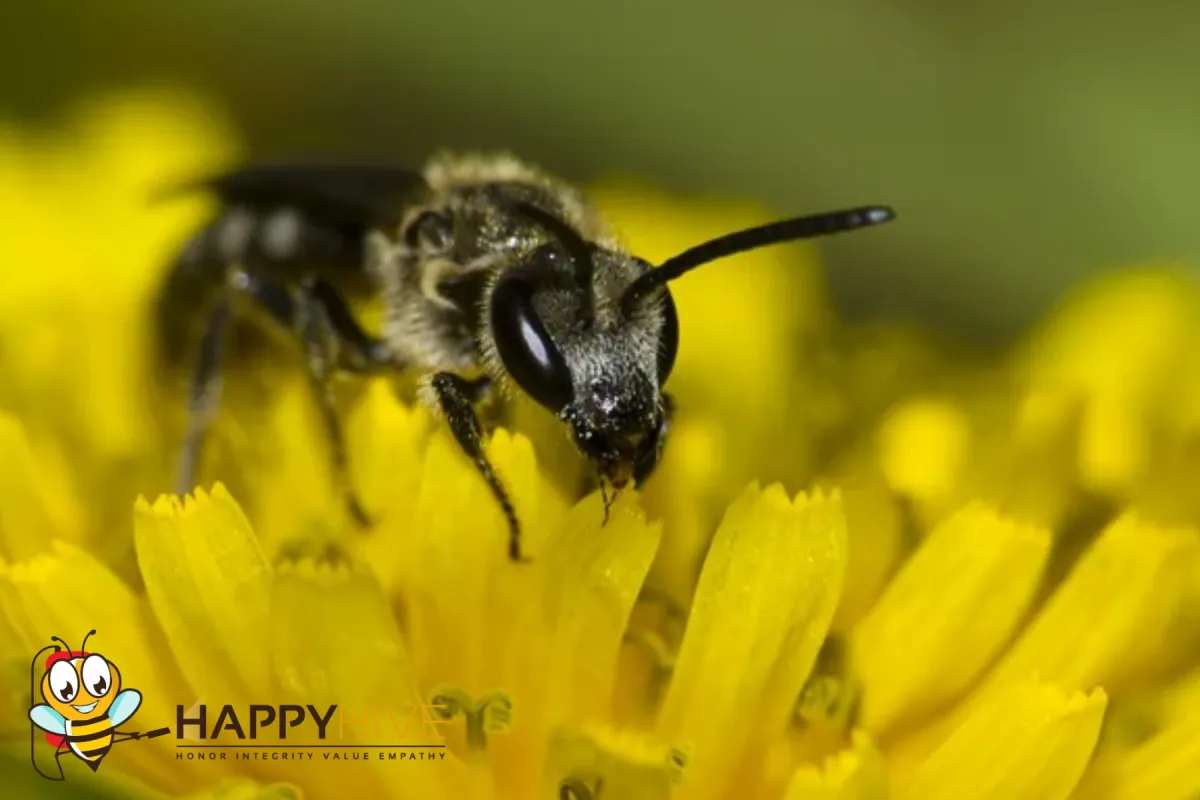
Mud daubers are solitary builders, meaning a single female wasp does all the work without a worker class. Her architecture is based on accumulative masonry; she collects wet mud from nearby puddles and plasters it against a vertical surface, such as a brick wall or a wooden beam. The result is a series of hard, clay-like tubes. Sometimes these are smoothed over into a large, singular lump, while other species create neat, parallel rows. If you see lumpy, dried dirt on your siding, you likely need an exterminator in Cincinnati, OH, to safely scrape and treat the area.
The Papery City of the Social Wasp
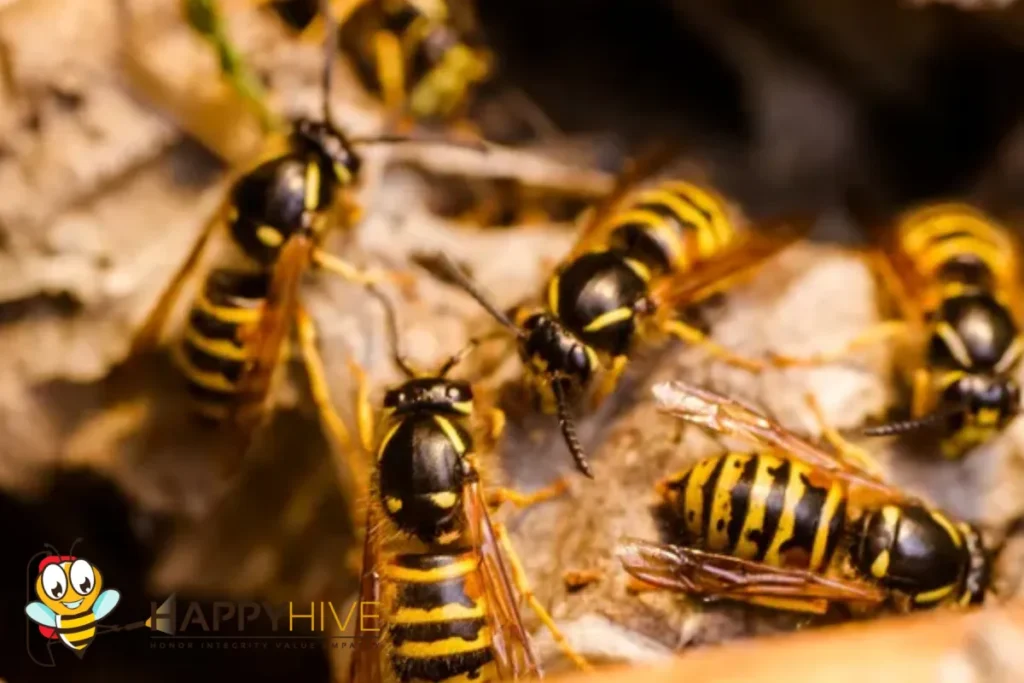
Paper wasps are social architects. Their nests are a marvel of biological engineering made from chewed wood fibers mixed with saliva to create a durable, water-resistant paper. Unlike the closed-off nursery of the mud dauber, a paper wasp nest is a communal city with an open-faced honeycomb design, usually shaped like an upside-down umbrella. You can look directly into the hexagonal cells to see larvae developing, which is a clear signal to seek a professional solution before the colony grows larger.
Nesting Site Preferences and Behavior
While both types of wasps enjoy the shelter provided by human structures, they choose their specific “plots” based on different biological needs. During a recent audit for a property owner, we observed that mud daubers had taken up residence in the textured crevices of a stone foundation, while paper wasps had claimed the smooth undersides of the porch railings.
Key Structural Differences at a Glance
| Feature | Mud Dauber Architecture | Paper Wasp Architecture |
| Primary Material | Hardened mud, clay, or silt. | Grey or brown wood pulp “paper.” |
| Cell Visibility | Completely closed and smoothed over. | Open, exposed hexagonal cells. |
| General Shape | Long tubes or lumpy clay jugs. | Upside-down umbrella or bell. |
| Attachment Style | Plastered flat against a surface. | Suspended by a thin, central stalk. |
| Risk Level | Very Low (Solitary and non-aggressive). | High (Social and defensive of the nest). |
The Happy Hive Pest Management Approach
At Happy Hive Pest Management, we aim to be a trusted partner in your journey to a safe, pest-free home. We don’t just “remove bugs”; we provide tailored solutions that meet your property’s unique needs. When it comes to flying stingers, we follow a proprietary protocol designed for safety and environmental responsibility.
- Inspection of Nest Location and Activity: We first determine if the nest is active. Mud dauber nests are often abandoned once the young emerge, leaving behind a hollow clay shell. By observing flight patterns, our professional technicians can determine if the inhabitants are still present.
- Safe Removal Using Proper Techniques: For social paper wasps, removal is a delicate process. Because they are defensive, we use specialized equipment to remove the structure without causing the colony to scatter or become aggressive toward bystanders.
- Treatment and Preventive Measures: Simply knocking down a nest isn’t enough; wasps are creatures of habit. We apply a localized treatment at the attachment point to discourage future queens from establishing new colonies in your home, ensuring long-term pest control in Cincinnati, OH.
- Safe and Effective Nest Removal Techniques: We prioritize eco-friendly methods that protect your family and pets. Our goal is to provide a long-lasting solution that avoids the use of harsh, unnecessary chemicals.
Debunking the Myth: “All Wasps Are Aggressive”
A common industry myth is that any wasp flying near your home is an immediate, aggressive threat. This misconception often leads to unnecessary fear and the misuse of store-bought sprays. Mud daubers are remarkably docile because they have no colony to defend. They spend their days hunting spiders to stuff into their mud tubes. Conversely, paper wasps are social and protective of their nest, but they generally only sting if the nest is disturbed. Knowing the architecture helps you distinguish between a “peaceful mason” and a “defensive urbanite” and decide when to call for Cincinnati pest control.
People Also Ask (FAQ)
Can I just spray a wasp nest with a garden hose?
We strongly advise against this. Water rarely destroys a papery nest and can agitate social wasps, leading to potential stings for you and your neighbors.
Do wasps return to the same nest every year?
No. Most wasp species in Ohio die off in the winter, with only the mated queens surviving in protected areas like wall voids. They build a brand-new nest every spring.
Why are there dead spiders inside the mud tubes?
Mud daubers are hunters. They paralyze spiders with their sting and stuff them into the mud cells to serve as a fresh food source for their developing larvae.
Reclaim Your Peace of Mind with Happy Hive
Spotting a nest on your property shouldn’t be a source of stress. Whether it’s the muddy tubes of a solitary builder or the complex paper city of a social colony, you deserve a solution that is professional, efficient, and caring. At Happy Hive Pest Management, we are dedicated to providing expert services that make our customers feel valued.
We take pride in our personalized service and eco-friendly methods. From our detailed inspection of nest locations and activity to our safe and effective nest removal techniques, we guarantee satisfaction. Whether you’re in Cincinnati, OH, or neighboring areas like Blue Ash and Anderson Township, we’re here to provide the care and expertise you need.
Don’t wait for a small nest to become a big problem. Contact us today for a consultation or a free quote. Let us take the sting out of your pest problems so you can get back to enjoying your home with total confidence.