










How to Distinguish Between Roof Rat and Norway Rat Grease Rub Marks for Targeted Exclusion
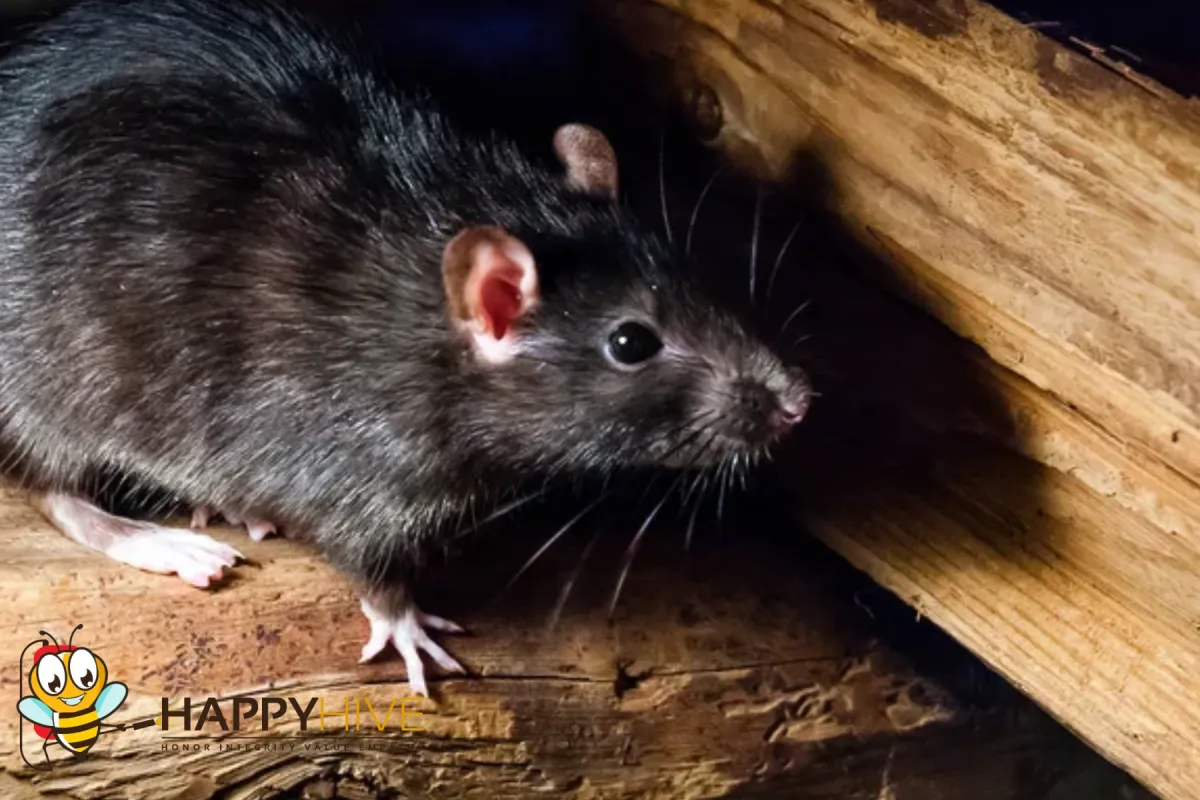
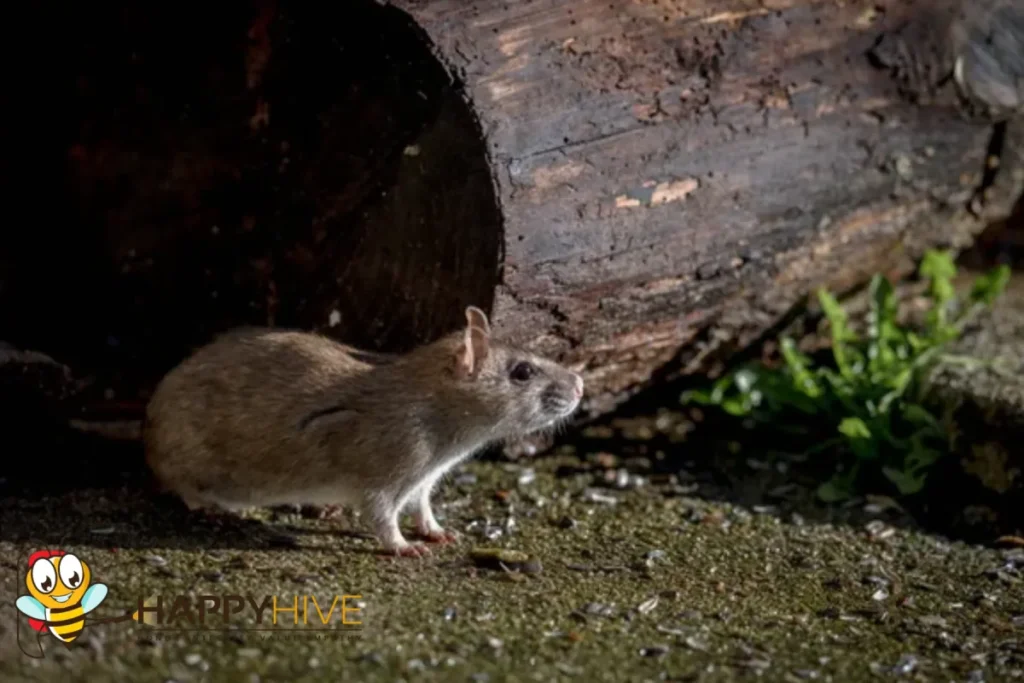
To distinguish rodent grease marks, look at their vertical placement: roof rats leave sebum marks high on rafters, attic beams, and ceiling joists because of their climbing nature. Conversely, Norway rats leave low-level marks along baseboards, floor-wall junctions, and near ground-level entry points, reflecting their preference for subterranean travel and burrowing.
Identifying these oily residues is more than just a tracking exercise; it is the blueprint for effective, long-term exclusion. By understanding which species is traversing your property, you can apply surgical precision to your structural repairs, ensuring that your efforts are focused where they will actually stop the infestation. For homeowners in Georgetown, OH, seeking professional pest control, recognizing these subtle clues is the first step toward a pest-free environment.
1. The Biology of the “Grease Rub” (Sebum)
Before we dive into the differences between species, it is important to understand what a “rub mark” actually is. Rats have hair that is naturally coated in a mixture of dirt and sebum an oily secretion from their sebaceous glands. Because rodents are creatures of habit and possess poor eyesight, they tend to hug walls and follow the same “runways” every night.
As they repeatedly brush against a surface, the sebum and grime transfer to the structure, creating a dark, waxy, and often slightly sticky residue. During a recent inspection for a residential property near the Georgetown downtown area, we identified these marks not as random smears but as a map of the colony’s daily movements.
Comparison: Sebum Trail Placement & Appearance
| Feature | Roof Rat (Rattus rattus) | Norway Rat (Rattus norvegicus) |
| Vertical Position | Elevated; usually 6 feet or higher. | Low-level; usually at floor or ankle height. |
| Common Surfaces | Rafters, attic vents, top of plumbing pipes, wires. | Baseboards, the bottom of exterior doors, and the crawlspace gaps. |
| Mark Shape | “Swing marks” under beams or circular rubs on wires. | Linear smudges along walls or dark arcs at corners. |
| Nesting Proximity | Marks lead toward attics or ceiling voids. | Marks lead toward foundations or burrows. |
2. Reading the Trail: 3 Steps to Identification
When you discover a mark, you need to act like a forensic investigator. Not all rodent signs are created equal, and misidentifying the species can lead to wasted time and money. While performing a routine check for an exterminator in Georgetown, OH, we follow a specific three-step process to “read” the sebum.
1. Texture and Freshness Check
Touch the mark with a gloved finger. Fresh grease marks are soft, slightly tacky, and will smear easily. This indicates an active, ongoing infestation. Older marks from a previous year will feel dry and brittle and may flake off when scratched. If the marks are fresh, your exclusion window is narrow.
2. Point of Entry (POE) Logic
Follow the grease trail to its darkest, thickest point. Sebum accumulates most heavily where a rat has to squeeze its body through a tight opening. If you find a dark, oily ring around a hole in the soffit, you’ve found a roof rat entry point. If the ring is around a gap in the foundation, you are likely dealing with a Norway rat.
3. The “Swing” Factor
This is a specific behavioral marker for roof rats. Look at the underside of floor joists or rafters. You may see a dark crescent-shaped smudge. This occurs when a rat “swings” around a beam to maintain its balance while traveling along a narrow ledge. Norway rats, being heavier and less agile, rarely leave these specific overhead signatures.
3. Applying our Proprietary “Four-Pillar Defense” to Solve This
At Happy Hive Pest Management, we believe in more than just a quick fix. We use a specialized system to ensure your home remains a fortress against invading pests. When we identify rub marks, we initiate our core principles: Seal Entry Points, Keep Food Secure, Trim Vegetation, and Set Traps or Use Bait.
- Seal Entry Points: Using the rub marks as our guide, we identify every “squeeze point.” For roof rats, this involves scaling ladders to secure roof junctions and vents. For Norway rats, we focus on the “low line,” sealing foundation cracks and installing door sweeps. We use high-quality materials like galvanized steel mesh and professional-grade sealants that rodents cannot chew through.
- Keep Food Secure: A rodent remains on your property because of a resource. We work with you to audit your pantry, pet food storage, and waste management. By eliminating the food source, we increase the effectiveness of our other interventions.
- Trim Vegetation: This is vital for roof rat control. During visits to several neighborhoods in the area, we often see tree limbs touching rooflines. We advise trimming all vegetation at least 6 to 10 feet away from the structure to remove the “natural bridge” rats use to bypass ground-level defenses.
- Set Traps or Use Bait: Once the building is sealed and the food is gone, we address the remaining population. We strategically place traps or bait stations along the grease-marked runways we’ve identified. Because we know exactly where the rats are traveling, our success rate is significantly higher than a “blind” placement.
4. Debunking the “Clean Wall” Myth
Myth: “If I don’t see dark grease marks, I don’t have a rat problem.”
The Reality: This is a dangerous misconception. Rub marks are a result of repetitive behavior over time. In a new infestation, often called a “pioneer” infestation, the rats have not traveled the path enough times to leave a visible residue. Furthermore, if a home has many entry points, the rats aren’t forced through a single “bottleneck,” meaning the grease is spread too thin to see. Relying solely on visual grease marks can cause you to miss an infestation in its early, most treatable stages. This is why professional Georgetown pest control includes a comprehensive inspection that looks for tracks, droppings, and gnaw marks, not just sebum.
5. Targeted Exclusion Tactics Based on Marks
Once the marks tell us the species, our “hardening” phase begins. The materials and locations change based on the rat’s behavior.
For High-Level Marks (Roof Rats)
- Vent Protection: We install heavy-duty hardware cloth over attic vents and “stink pipes.”
- Utility Line Guards: We can install cone-shaped guards on wires to prevent rats from tightroping into your home.
- Soffit Integrity: We reinforce the junction where the roof meets the wall, a common “weak spot” for climbers.
For Low-Level Marks (Norway Rats)
- Foundation Reinforcement: We fill gaps in brickwork and stone foundations with stainless steel wool and concrete.
- Door Sweeps: We install “pest-proof” sweeps on garage and entry doors to eliminate the 1/4-inch gap a rat needs to enter.
- Drain Screening: Norway rats often travel through sewers; we ensure floor drains are properly screened and secured.
People Also Ask (FAQ)
Q: How long does it take for a grease mark to appear?
A: It typically takes several weeks of nightly travel by multiple rats to leave a visible dark stain. If you see a very dark mark, it suggests a well-established colony has been using that path for months.
Q: Can I just wash the grease marks away?
A: While you can clean them with soap and water, we recommend using an enzymatic cleaner to fully neutralize the pheromones. However, cleaning the mark without sealing entry points will not solve the problem; the rats will simply reapply the grease the following night.
Q: Are these grease marks toxic to humans?
A: The sebum itself is not a toxin, but it is often mixed with urine, feces, and pathogens like Leptospira. You should always wear gloves and a mask when cleaning rodent residues or working near active runways.
Q: Why do rats hug the walls instead of running across the middle of the room?
A: This behavior is called thigmotaxis. Rats are prey animals and use their whiskers (vibrissae) to feel their way along walls. This helps them navigate in the dark and stay protected from overhead predators.
At Happy Hive Pest Management, we want you to feel reassured and confident that your home or business is in good hands. We understand how stressful a rodent problem can be, especially when traditional methods seem to fail. Our team is dedicated to providing warm, reliable, and customer-focused service that addresses the root cause of the infestation.
Whether you need specialized pest control in Georgetown, OH, or long-term preventive care, we are here to help. We treat your property with the same care we would our own, using eco-friendly and effective methods that provide true peace of mind.
Ready to secure your home? Contact us today for a consultation or a free quote, and let our expert team create a tailored plan just for you.