












Happy Hive Pest Management
Boxelder Bugs
Are you seeing black and red insects congregating on your siding or slipping into your home as the weather cools? Boxelder bugs are tiny but persistent pests that can become a major nuisance when they invade your living space. At Happy Hive Pest Management, we specialize in managing these seasonal intruders. Our licensed technicians use professional inspection and barrier treatments to identify, eliminate, and prevent infestations, keeping your home clean and comfortable year-round.
What Are Boxelder Bugs?
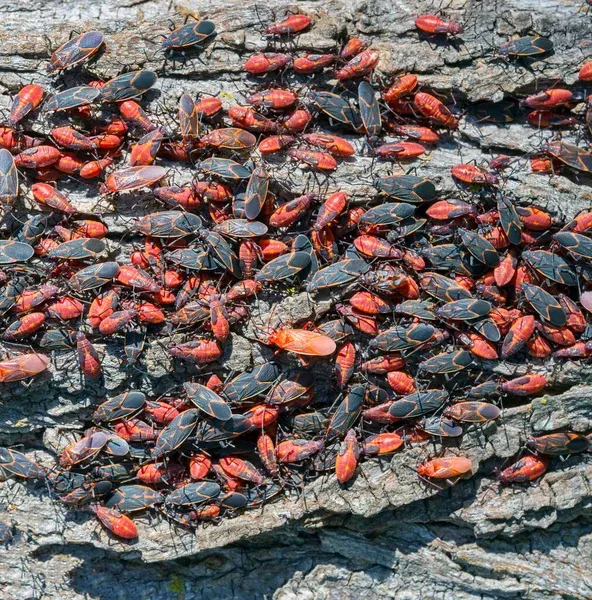
Boxelder bugs (Boisea trivittata) are small, black insects with bright red or orange markings. They are “occasional invaders,” spending the warmer months feeding on boxelder, maple, and ash trees. As temperatures drop, they instinctively seek warm places to overwinter, often targeting homes.
Unlike termites or carpenter ants, boxelder bugs do not chew wood or bite humans, but they are a nuisance because of their large numbers and staining excrement. Professional control is recommended to prevent them from establishing inside your walls or hidden areas during the colder months.
Signs of Boxelder Bug Activity on Your Property
Early detection allows for effective preventative action before they settle indoors. Watch for these indicators:
Large Congregations
Hundreds of black and red bugs basking on sunny walls, siding, or brickwork.
Sun-Drenched Surfaces
These insects prefer warm exterior areas and are most active on the south or west sides of buildings.
Near Windows and Doors
Bugs crawling along window sills, door frames, or vents are scouting entry points.
Staining
Reddish-orange or brown spots on curtains, walls, or light-colored surfaces caused by their waste.
If you notice these signs, scheduling a professional inspection can prevent them from moving inside your home.
How Boxelder Bugs Spread and Affect Your Home
Boxelder bugs typically enter homes in the late summer or early fall when seeking warmth. They exploit cracks around windows, doors, siding, and vents to gain access to hidden areas, such as wall voids and attics. Once inside, they may remain active during warmer spells throughout the winter, emerging into your living space unexpectedly.
Life Cycle and Behavior
Understanding their life cycle helps in effective control:
- Eggs: Laid on tree leaves during the summer, leading to the next generation of bugs.
- Nymphs: Young bugs gradually develop their characteristic red and black coloring as they mature.
- Adults: Seek warm indoor spaces in the fall, often clustering in large numbers on sunny exterior walls or inside homes.
Professional treatment focuses on blocking access and eliminating populations before they can establish inside.
How to Get Rid of Boxelder Bugs
Effective management requires a professional, preventative approach rather than relying on DIY sprays. Happy Hive Pest Management uses targeted exterior treatments and home sealing techniques to stop infestations before they start.
Treat Your Home
Detailed Exterior Inspection: Identify cracks, gaps, vents, and loose siding that serve as entry points.
Targeted Perimeter Treatments: Apply safe, residual barrier treatments around your home’s exterior to eliminate bugs and prevent migration indoors.
Avoid DIY Sprays Alone: Over-the-counter sprays rarely solve the problem and can fail to stop bugs from entering wall voids.
Maintain Your Property
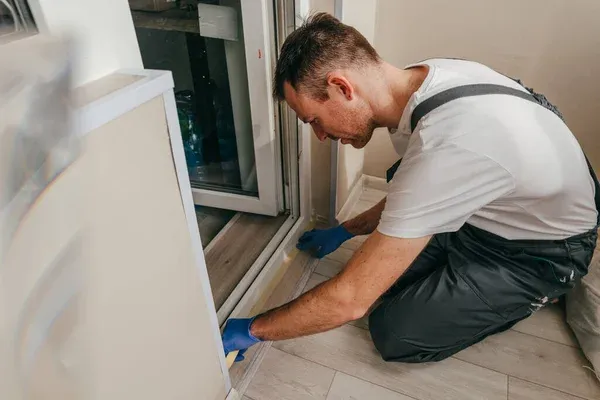
Seal Entry Points: Repair torn screens, caulk cracks, and ensure windows and doors are secure.
Remove Attractants: Keep leaves, debris, and branches trimmed away from the home exterior.
Ongoing Monitoring: Inspect your home periodically, especially during the fall, to prevent new infestations.
Preventing Boxelder Bugs
Prevention is the most effective strategy. We recommend:
- Inspect Outdoor Areas: Monitor trees, shrubs, and siding for early congregations of bugs.
- Seal Interior Gaps: Close cracks around windows, doors, vents, and siding to block entry.
- Manage Landscaping: Trim trees and shrubs away from the house to reduce bridges for bugs to reach your walls.
When to Call the Professionals
Boxelder bugs are difficult to manage alone, especially when large numbers are present. If you notice clusters on your siding, stains inside your home, or repeated sightings near windows, it’s time to contact the experts. Happy Hive Pest Management provides tailored solutions for residential homes, apartments, and multi-story buildings. Contact us today to schedule an inspection and prevent a seasonal infestation, keeping your home bug-free.

Testimonials
What Our Clients Say About Us
Service Area
We Got Your Area Served!
Greater Cincinnati
Frequently Asked Questions
What are Boxelder bugs, and why are they a problem?
We offer tailored solutions based on local climate and environmental factors. Our methods are effective, eco-friendly, and designed to ensure long-term management for homes and businesses in the area.
How can I tell if I have a Boxelder bug infestation?
Yes, we follow all Ohio pesticide regulations and ensure our treatments meet state safety standards. We take pride in providing services that are both effective and environmentally responsible.
How does Happy Hive Pest Management handle Boxelder bugs?
For ongoing protection, we recommend regular treatments, typically every 3 months. However, we offer flexible schedules and can tailor visit frequency to your specific needs and the level of activity.
Can I handle a Boxelder bug problem myself, or do I need professional help?
Our process begins with a thorough inspection to identify potential issues, followed by a customized treatment plan. We use eco-friendly products and techniques to effectively manage infestations while minimizing any
How can I prevent Boxelder bugs from entering my home in the future?
To prevent them, we recommend regular inspections of your home, especially during the fall when they seek warmth. Seal all cracks around windows, doors, and vents, and ensure that your siding and screens are in good condition. You should also trim trees and shrubs away from your home to eliminate pathways for these pests to reach your exterior walls. Regular maintenance and proactive measures can greatly reduce the risk of future infestations.